
Liquid Nitrogen Safety Precautions: Handling It the Right Way

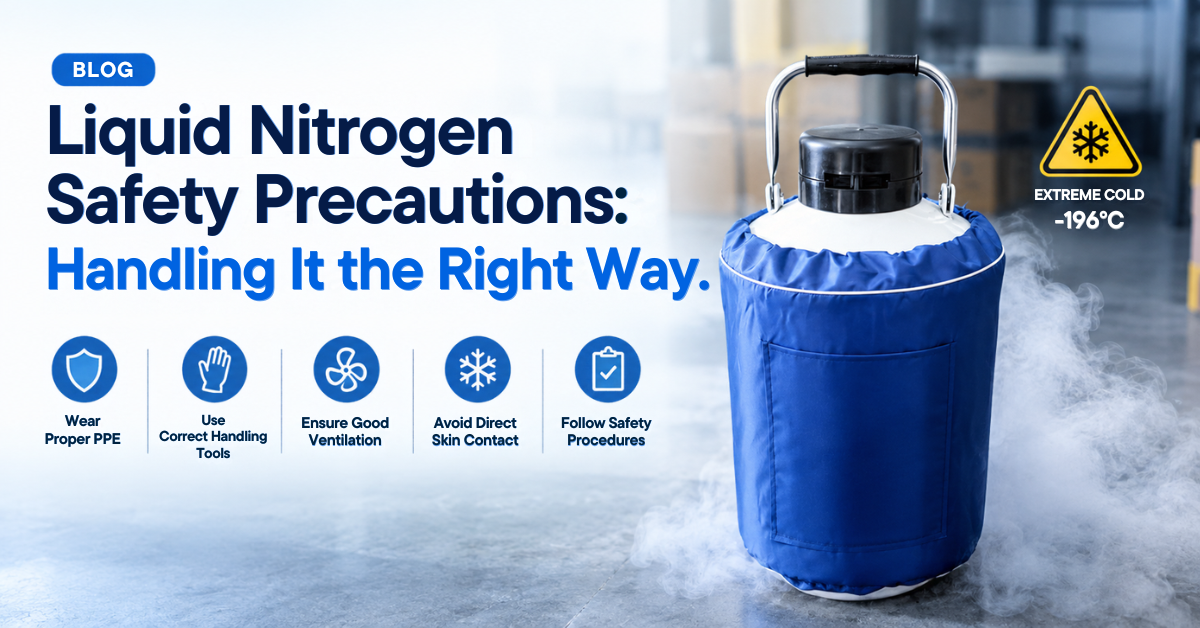
Liquid nitrogen is one of the most useful substances in modern industry, medicine, and wellness, but it is also one that demands genuine respect. At around -196°C, it is cold enough to cause severe injury in seconds, and because it rapidly expands into gas as it warms, it can create serious risks in poorly ventilated spaces. For any UAE business working with liquid nitrogen, whether in a laboratory, cryotherapy clinic, food processing plant, or industrial facility, understanding and following proper safety precautions is not optional.
This guide sets out the key liquid nitrogen safety precautions every team should know, covering protective equipment, storage, handling, ventilation, and what to do if something goes wrong.
Why Liquid Nitrogen Requires Special Care
Two properties make liquid nitrogen hazardous if mishandled. First, its extreme cold can cause cryogenic burns, which are similar to severe frostbite, on contact with skin or eyes. Second, as it warms and expands into gas, one liter of liquid nitrogen produces a large volume of nitrogen gas, which can displace oxygen in an enclosed space and create a risk of asphyxiation without any obvious warning signs, since nitrogen gas is colorless and odorless.
Both risks are well understood and manageable with the right precautions, training, and equipment. The businesses that run into trouble are almost always the ones that treat liquid nitrogen casually rather than as the serious industrial material it is.
Personal Protective Equipment for Liquid Nitrogen
Anyone handling liquid nitrogen directly should wear appropriate protective equipment at all times:
- Cryogenic gloves: loose-fitting, insulated gloves designed to be removed quickly if liquid nitrogen splashes inside them, unlike tight-fitting gloves that can trap cold liquid against the skin
- Face shield or safety goggles: to protect the eyes and face from splashes, which can cause serious injury almost instantly
- Closed-toe shoes: to protect feet from spills, with trousers worn outside the shoes rather than tucked in, to prevent liquid nitrogen running inside footwear
- Lab coat or apron: loose-fitting protective clothing that can be removed quickly in case of a spill
- Avoid jewelry: rings and other metal jewelry can stick to extremely cold surfaces and should be removed before handling
Safe Handling Practices
- Always pour or transfer liquid nitrogen slowly to avoid splashing
- Use only containers and equipment specifically designed for cryogenic liquids
- Never seal liquid nitrogen in an airtight container. The buildup of expanding gas can cause a violent rupture or explosion
- Handle dewars and tanks carefully, since rough handling can damage the insulation and increase boil-off or create leaks
- Never touch uninsulated pipes, valves, or surfaces that have been in contact with liquid nitrogen, as skin can stick to extremely cold metal
- Work with a colleague present when handling significant quantities, rather than alone, especially in enclosed spaces
Ventilation: The Most Overlooked Hazard
Many liquid nitrogen incidents are not caused by direct contact but by oxygen displacement in enclosed spaces. As liquid nitrogen warms, it expands into a large volume of gas that can silently reduce the oxygen level in a room, basement, walk-in cooler, or vehicle. Because nitrogen gas has no smell or color, people can lose consciousness without warning before realizing anything is wrong.
- Always store and use liquid nitrogen in well-ventilated areas, ideally with mechanical ventilation in enclosed rooms
- Install oxygen level monitors in any room where liquid nitrogen is regularly used or stored, particularly cryotherapy treatment rooms and small storage areas
- Never transport liquid nitrogen in a sealed vehicle cabin with passengers. Use a ventilated cargo area whenever possible, and if it must travel in the cabin, keep windows partly open
- Avoid using liquid nitrogen in small, poorly ventilated rooms such as closets, basements, or walk-in coolers without active ventilation
- If oxygen levels drop or anyone shows signs of distress, evacuate the area immediately and ventilate before re-entering
Storage Best Practices
- Store liquid nitrogen only in properly designed cryogenic dewars or tanks, never in sealed or standard containers
- Keep storage areas well ventilated and clearly signed to warn staff and visitors
- Position tanks away from high-traffic areas to reduce the risk of accidental contact or knocking over equipment
- Inspect tanks and valves regularly for damage, leaks, or excessive frost buildup, which can indicate a problem
- Keep storage areas locked or restricted to trained personnel only
Recognizing the Signs of Oxygen Deficiency
Because nitrogen gas cannot be seen or smelled, training staff to recognize the physical symptoms of low oxygen is essential. Early signs include headache, dizziness, confusion, and rapid breathing. As exposure continues, symptoms can progress to loss of coordination, fatigue, and eventually loss of consciousness. Anyone experiencing these symptoms near a liquid nitrogen storage or use area should move to fresh air immediately and alert colleagues.
What to Do in Case of a Spill or Exposure
- Skin contact: remove any clothing that is stuck or contaminated only if it comes away easily, flush the affected area with lukewarm, not hot, water, and seek medical attention for anything beyond minor redness
- Eye contact: flush immediately with clean water for several minutes and seek medical attention promptly
- Large spills: evacuate the area, ventilate thoroughly, and avoid re-entry until oxygen levels are confirmed safe
- Suspected oxygen deficiency: move affected individuals to fresh air immediately and seek medical help if symptoms persist
Training Your Team
Equipment and protective gear are only part of the picture. Staff who handle liquid nitrogen regularly, whether in a lab, clinic, or industrial setting, should receive proper training covering safe handling procedures, correct use of protective equipment, emergency response, and the specific risks relevant to their work environment. Refresher training is worthwhile, particularly for teams with new or less experienced members.
Transport and Delivery Safety
Receiving liquid nitrogen deliveries also requires care. Businesses should have a clear, ventilated area ready for deliveries, train staff on how to accept and store incoming tanks safely, and confirm that delivery personnel follow proper handling procedures. A professional supplier will use appropriate vehicles and trained drivers, and will brief your team on anything specific to your tank or delivery setup.
Why Working With an Experienced Supplier Matters for Safety
A knowledgeable liquid nitrogen supplier does more than deliver product. They can advise on appropriate storage equipment, correct handling procedures for your specific application, and realistic quantities that reduce the need for rushed, last-minute handling. Ice Dry Ice supplies liquid nitrogen to businesses across Dubai and the UAE and supports customers with guidance on safe storage and handling as part of a reliable supply relationship, helping teams build safety into their everyday operations rather than treating it as an afterthought.
Building a Written Safety Procedure
Businesses that handle liquid nitrogen regularly benefit from a simple, written safety procedure that covers who is authorized to handle it, what protective equipment is required, how storage areas are maintained, and what steps to follow in an emergency. A one or two page document, reviewed with every team member who works near liquid nitrogen, creates consistency and reduces the chance that safety steps are skipped during busy periods.
Signage and Communication in Shared Facilities
In workplaces where liquid nitrogen storage or use areas are shared with other staff, such as a laboratory floor or a wellness clinic with multiple treatment rooms, clear signage is essential. Warning signs, restricted access notices, and visible instructions for emergency response help protect not only the staff who regularly handle liquid nitrogen, but also colleagues, cleaners, or visitors who may not be familiar with the risks.
Conducting Periodic Safety Audits
Even well-trained teams can develop small shortcuts over time, so periodic safety audits help keep standards consistent. A short internal review every few months, checking that protective equipment is available and in good condition, storage areas remain properly ventilated and signed, and staff can correctly describe emergency procedures, catches small gaps before they become serious incidents. Some businesses also ask their liquid nitrogen supplier to assist with an informal review of their storage and handling setup as part of an ongoing partnership.
Frequently Asked Questions
Can liquid nitrogen burn skin even without direct contact?
Yes. Standing too close to a release of liquid nitrogen or its cold gas can still cause cold-related injury, so maintaining distance and using proper equipment is important even without direct contact.
Is liquid nitrogen flammable?
No, nitrogen itself is inert and non-flammable. The main hazards are extreme cold and oxygen displacement, not fire.
How often should oxygen monitors be checked?
Monitors should be tested and calibrated regularly according to the manufacturer’s recommendations, and checked as part of routine facility safety inspections.
Can liquid nitrogen be transported in a normal car?
It should only be transported in a ventilated area of a vehicle, ideally the cargo space, and never sealed in the passenger cabin with people inside for extended periods.
Final Thoughts
Liquid nitrogen is safe and manageable when handled with proper respect, the right equipment, and clear procedures. The two main risks, cold injury and oxygen displacement, are both well understood and preventable with good training, ventilation, and storage practices.
Businesses across the UAE that build strong safety habits around liquid nitrogen protect their staff, their equipment, and their operations. Working with an experienced supplier like Ice Dry Ice, who understands both the product and the practical realities of handling it, adds an extra layer of support to keep your team safe every day.