
The Complete Catering Guide to Using Ice Effectively

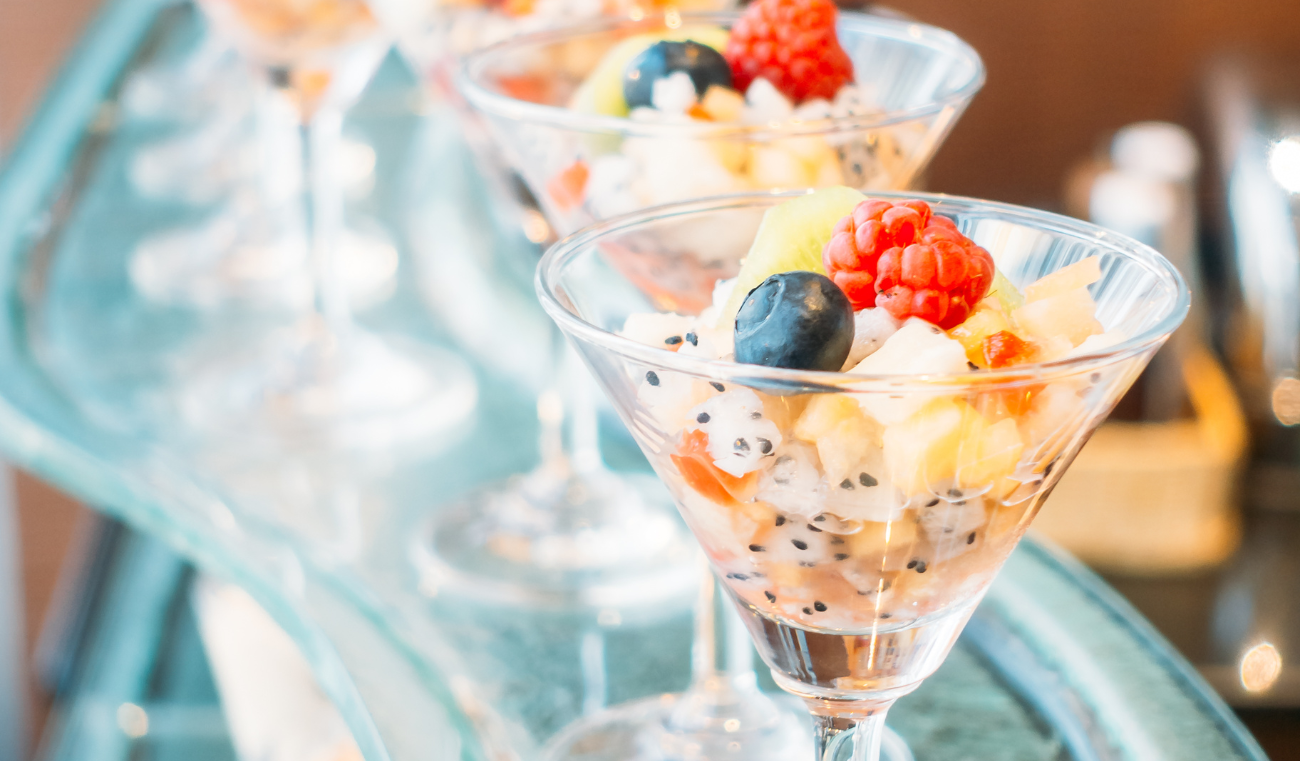
Ice is one of the most essential yet often overlooked elements in catering. Beyond keeping beverages cold, it plays a critical role in maintaining food safety, enhancing presentation, and creating memorable experiences for guests. From cocktail stations to seafood displays, the effective use of ice can elevate any event.
This complete guide will help caterers and event planners understand how to use ice efficiently and safely. We’ll cover everything from selecting the right type of ice to estimating quantities, transporting and storing it properly, and even creative ways to showcase ice for visual appeal. By following this framework, you can ensure your catering events run smoothly while maintaining high standards of quality and safety.
Understanding the Role of Ice in Catering
Ice serves multiple purposes in catering, starting with food safety. Keeping ingredients and beverages at appropriate temperatures prevents bacterial growth and spoilage, especially for perishable items like seafood, salads, and dairy products. Ice ensures that chilled items remain safe to consume throughout the event.
In addition to safety, ice enhances presentation and aesthetics. Well-placed ice can create clean, elegant displays for drinks, buffets, or seafood stations. It can also be used to sculpt decorative pieces, adding a premium feel to the event. The right ice presentation can leave a lasting impression on guests and demonstrate attention to detail.
Ice also contributes to practical functionality. Crushed ice is ideal for quickly chilling drinks, while larger blocks maintain cooler temperatures for longer periods. Understanding the diverse roles ice plays helps caterers plan more effectively, ensuring both visual appeal and operational efficiency at every event.
Types of Ice and Their Uses in Catering
Catering events require different types of ice depending on the function. Ice blocks are perfect for long-lasting cooling in beverage tubs and large containers, offering minimal melt water and extended duration. They can also be carved into decorative shapes for premium presentations.
Crushed ice is ideal for cocktails, seafood displays, and buffets. Its smaller size allows for quick chilling and easy manipulation for visually appealing presentations. It’s particularly effective in ice bins where frequent replenishment is required during the event.
Gel ice packs are less common in direct food display but are essential for transport or storage, maintaining low temperatures for perishables without creating meltwater. For creative or high-end events, specialty ice, such as clear cubes or spheres, enhances cocktail aesthetics and demonstrates sophistication.
By understanding the characteristics and applications of each ice type, caterers can select the right option for their event, ensuring optimal performance and guest satisfaction.
Estimating Quantity and Planning Ahead
Proper planning begins with accurately estimating how much ice you’ll need. Factors to consider include guest count, event duration, and type of food or beverages being served. A general guideline is 1–2 pounds of ice per guest per hour for drinks, but additional ice may be necessary for buffets, seafood stations, or specialty presentations.
Understanding the type of event is critical. Outdoor events in warm weather require significantly more ice than indoor events. Similarly, buffet setups or seafood displays may need a continuous supply of crushed ice to maintain freshness and appearance. Always account for extra ice to accommodate unexpected demand, extended durations, or replenishment delays.
Planning ahead also includes scheduling delivery times and determining storage locations. Coordinating with your supplier in advance ensures you receive ice in a timely manner and reduces the risk of shortages. By carefully estimating quantities and considering environmental factors, you can maintain consistent cooling and high-quality presentation throughout the event.
Storage Solutions and Transportation
Maintaining ice quality requires proper storage and transportation. Insulated coolers and ice tubs are the most common solutions for both storing and transporting ice. For long events or large quantities, consider using multiple containers to distribute ice efficiently across the venue.
When transporting ice, use reliable, insulated vehicles or containers to minimize melting. For perishable food transport, gel packs or dry ice can supplement traditional ice to maintain consistent temperatures. Proper stacking and spacing inside coolers or tubs improve airflow, slowing down melt rates and prolonging ice life.
It’s also important to plan for easy access during the event. Ice storage should be conveniently located near beverage stations or buffet areas while remaining out of high-traffic zones to prevent accidents. For outdoor events, provide shade or cover to reduce direct sunlight exposure, which can accelerate melting.
By implementing effective storage and transportation strategies, caterers can ensure ice remains at optimal temperatures, maintaining food safety and enhancing presentation throughout the event.
Handling and Serving Ice Safely
Proper handling is essential to maintain hygiene and prevent contamination. Always use clean gloves, scoops, or tongs when moving or serving ice. Direct contact with hands can introduce bacteria and compromise food safety, especially in buffet settings or beverage stations.
Staff should be trained in proper procedures, including avoiding cross-contamination between ice used for drinks and ice used for food displays. Replace utensils regularly during long events and ensure that ice bins are cleaned before use.
For dry ice or specialty ice, extra precautions are necessary. Dry ice should never be touched directly with bare hands, and its storage requires well-ventilated areas to avoid CO2 buildup. Ensure that ice serving areas are easily accessible but also safe, preventing spills or accidents in high-traffic zones.
By maintaining strict handling standards, you can protect guests, prolong ice usability, and ensure a professional and safe catering experience.
Creative Uses of Ice for Presentation
Ice isn’t just functional; it can elevate the visual appeal of your event. Ice sculptures add a luxurious and memorable touch, while clear ice blocks can be used as platforms for seafood or decorative arrangements. Crushed ice can be layered creatively to highlight chilled desserts or drink stations.
For drinks, specialty ice shapes like spheres or cubes with embedded garnishes create an impressive aesthetic for cocktails. Ice can also serve as a thematic element, such as blue-colored ice for winter events or LED-lit ice for evening parties.
Even simple presentation techniques—like layering crushed ice around seafood platters or drinks—enhance visual appeal and maintain proper temperature. Creativity with ice allows caterers to combine functionality with artistry, impressing guests while ensuring food safety and freshness.
Budgeting and Cost Optimization
Efficient use of ice is crucial for keeping catering costs under control. Start by estimating the exact amount of ice needed based on guest count, event type, and duration. Overestimating leads to unnecessary waste and expense, while underestimating can compromise service quality.
Sourcing ice locally can reduce delivery fees and ensure freshness. Some suppliers offer bulk discounts or repeat customer pricing, which can help reduce costs for recurring events. Additionally, using insulated tubs and coolers minimizes melt, extending the life of your ice and reducing the need for frequent replenishment.
Plan for contingencies by having a small reserve of ice to cover unexpected demand or delays. Monitoring usage during the event also helps adjust supply dynamically, preventing both shortages and excess. By carefully planning and tracking ice consumption, caterers can optimize their budget while maintaining safety, quality, and presentation standards.
Conclusion
Ice is a vital element in catering, serving both functional and aesthetic purposes. From keeping food and beverages safe to enhancing presentation and creating memorable experiences, the effective use of ice can elevate any event. By understanding different types of ice, estimating quantities, planning storage and transportation, handling it safely, and incorporating creative presentation techniques, caterers can achieve maximum impact while minimizing waste and cost.
Following these best practices ensures that every event runs smoothly, food remains safe, and guests are impressed by both the visual and practical aspects of ice use. With careful planning and attention to detail, ice becomes more than a necessity—it becomes a tool for professional, high-quality catering.