
The Power of Dry Ice: Perfect Solution for Preserving Perishable Goods

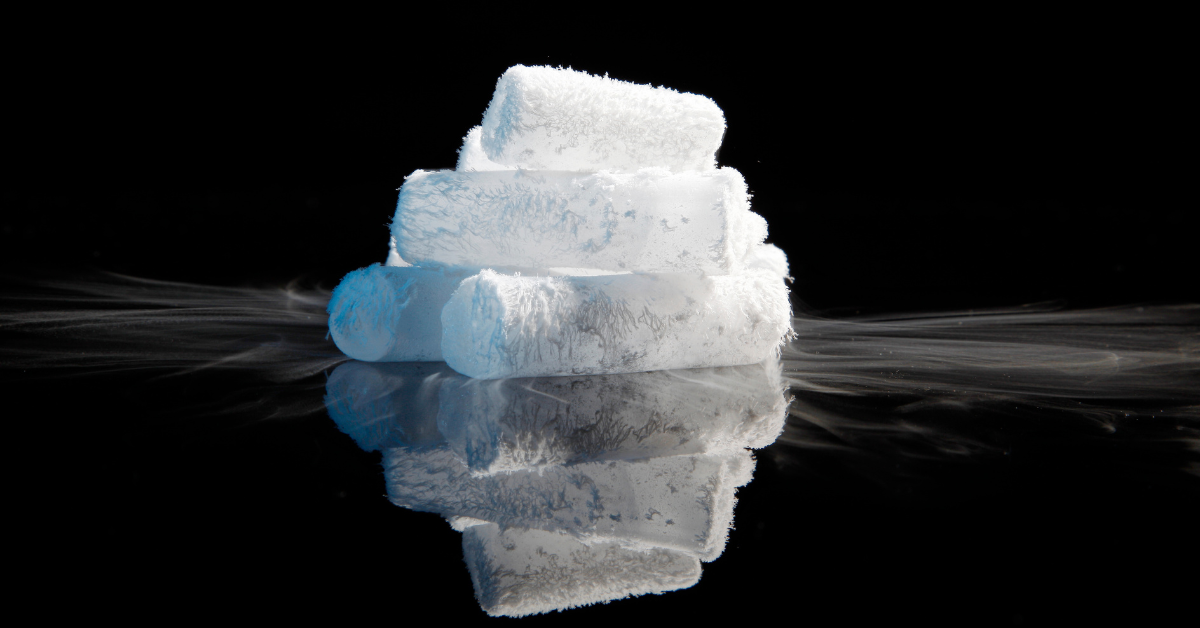
In the UAE, where scorching temperatures and a booming logistics sector collide, dry ice for preserving perishable goods emerges as the ultimate solution to a high-stakes challenge. Enter dry ice—the unsung hero of cold chain logistics. Far beyond its theatrical use in creating spooky fog at events, dry ice for preserving perishable goods is a scientific marvel that ensures seafood stays pristine during delivery, vaccines remain potent in transit, and gourmet meals arrive at your doorstep as fresh as they left the kitchen. This guide dives into why it’s the UAE’s go-to weapon against spoilage in extreme climates.
Dry ice’s ability to sustain temperatures as low as -78.5°C makes it indispensable in a region where traditional cooling methods often fall short. In this guide, we’ll unpack why dry ice is the UAE’s go-to solution for preserving value, quality, and safety in perishable goods—whether you’re a restaurant owner, a pharma distributor, or an entrepreneur revolutionizing last-mile delivery.
What is Dry Ice? How Does It Work?
Dry ice is solid carbon dioxide (CO₂), frozen at an extreme -78.5°C. Unlike regular ice (frozen water), it doesn’t melt into a liquid. Instead, it undergoes sublimation—transitioning directly from a solid to a gas. This unique process leaves behind no residue, making it ideal for clean, moisture-sensitive applications like medical shipments or electronics transport.
Here’s the science simplified:
- At atmospheric pressure, CO₂ gas is compressed and cooled into liquid form.
- The liquid is depressurized, rapidly expanding and freezing into snow-like flakes.
- These flakes are hydraulically pressed into blocks, pellets, or slices for commercial use.
When placed in an insulated cooler, dry ice sublimates slowly, releasing CO₂ gas that displaces oxygen. This not only chills the contents but also inhibits bacterial growth—a double win for perishable preservation. For businesses in the UAE, this means no messy puddles, no soggy packaging, and no compromise on temperature control, even in 45°C heat.
Why Dry Ice for Preserving Perishable Goods is the UAE’s Top Choice?
In a region where a single degree can mean the difference between profit and loss, dry ice stands out for three reasons:
1. Unmatched Temperature Control
Dry ice for preserving perishable goods offers unmatched temperature control (-78.5°C), halting microbial and enzymatic activity that causes spoilage. For example, seafood exporters in Fujairah use dry ice to keep lobster and tuna at near-frozen states during 48-hour shipments to Europe. Similarly, Dubai’s cloud kitchens rely on dry ice-packed coolers to ensure biryani and desserts stay fresh during delivery delays.
2. Extended Preservation Windows
Properly insulated with materials like polystyrene or vacuum panels, dry ice can preserve perishables for 24–72 hours—critical for long-haul routes from Sharjah to Saudi Arabia or remote areas in the UAE. Pharma companies leverage this for transporting insulin and biologics, while luxury chocolatiers in Dubai use it to prevent melting en route to gifting clients.
3. Versatility Across Industries
- Food Delivery: From high-end restaurants to meal prep services, dry ice preserves flavor and texture in dishes like sushi or gelato.
- Medical Logistics: Hospitals in Abu Dhabi trust dry ice for preserving perishable goods like lab samples and mRNA vaccines requiring ultra-cold storage.
- Emergency Backup: During power outages (a rare but risky event in the UAE), dry ice acts as a failsafe for refrigeration units.
4. Compliance with UAE Standards
The UAE’s strict food safety and pharmaceutical regulations demand reliable cold chain solutions. Dry ice’s consistent performance aligns with Emirates Authority for Standardization & Metrology (ESMA) guidelines, ensuring businesses avoid penalties and reputational damage.
How to Use Dry Ice for Food Preservation?
In the UAE’s sweltering heat, mastering dry ice for food preservation isn’t just a skill—it’s a business necessity. Here’s how to optimize its use for meat, seafood, dairy, and more:
Safe Packaging Techniques
For businesses in Dubai, mastering dry ice for preserving perishable goods starts with insulated, vented coolers to optimize sublimation rates. Line the bottom with crumpled paper or bubble wrap to slow sublimation. Never place dry ice directly on food; instead, use cardboard dividers or cloth layers to prevent freezer burn. For delicate items like seafood or baked goods, wrap products in moisture-resistant packaging (e.g., vacuum-sealed bags) before layering.
Layering for Maximum Cooling
- Bottom Layer: Place dry ice blocks or pellets at the cooler’s base.
- Middle Layer: Add perishables like meat or dairy, ensuring no direct contact with ice.
- Top Layer: Add another dry ice layer for long trips (e.g., shipping from Fujairah to Riyadh).
- Fill Gaps: Use towels or packing peanuts to minimize air pockets, which accelerate sublimation.
Quantity Guidelines
Aim for 2–5 lbs of dry ice per 24 hours, depending on insulation quality and external temperatures. For example:
- A 48-hour shipment of lamb from Dubai to Oman requires ~10 lbs in a high-grade cooler.
- A small box of baklava bound for Abu Dhabi may need just 2 lbs for a 12-hour trip.
Best Foods for Dry Ice
- Meat & Seafood: Ideal for UAE’s booming halal export market. Dry ice locks in freshness for premium cuts.
- Dairy: Protects labneh and cheeses during farm-to-table deliveries.
- Baked Goods: Prevents frosting melt on cakes in transit.
Avoid lettuce and leafy greens—extreme cold can damage cell structures.
Dry Ice in Medical & Pharmaceutical Storage
The UAE’s role as a global logistics hub makes dry ice critical for safeguarding temperature-sensitive medical supplies.
Vaccines & Biologics
Pfizer-BioNTech COVID-19 vaccines, requiring -70°C storage, rely on dry ice for transport across Emirates. Dubai’s Central Lab uses dry ice-packed containers to maintain integrity during last-mile delivery to clinics. Similarly, insulin and mRNA-based therapies are shipped in CO₂-cooled boxes compliant with WHO and CDC guidelines.
Lab Samples & Organs
Hospitals in Abu Dhabi use dry ice to preserve blood samples, biopsies, and even donor organs. For instance, a liver transported from Rashid Hospital to Cleveland Clinic Abu Dhabi remains viable for 12+ hours with dry ice and triple-layer insulation.
Compliance & Safety
The UAE’s MOHAP (Ministry of Health and Prevention) mandates strict protocols:
- Use UN 3373-approved containers for medical shipments.
- Train staff in handling dry ice with insulated gloves and goggles.
- Conduct regular sublimation rate tests to ensure consistency.
Shipping with Dry Ice: Best Practices
Navigate the UAE’s logistics landscape with these pro strategies:
Ventilation Is Non-Negotiable
CO₂ gas buildup can rupture containers. Use venting coolers or drill 1 cm holes in polystyrene boxes (common in Dubai’s courier networks) to allow gas escape.
Labeling Laws
- IATA Regulations: Mandatory “Dry Ice” labels (Class 9) with net weight (e.g., “UN 1845, 5 kg”).
- DOT Rules: Include shipper/consignee details and emergency contacts. UAE-based companies like Aramex and DHL enforce these rigorously.
Sublimation Rate Calculations
In the UAE’s 45°C summers, dry ice sublimates 5–10 lbs daily in standard coolers. Mitigate this by:
- Using 3-inch-thick insulation for Gulf-region shipments.
- Pre-chilling contents before packing.
- Adding extra ice (e.g., 30% more for Dubai-to-Doha routes).
Long-Distance Shipping Hacks
- Double-Boxing: Place the dry ice cooler inside a larger, insulated container.
- GPS Trackers: Monitor temperature in real time—companies like Agility Logistics use IoT sensors for high-value Pharma shipments.
- Night Transport: Reduce ice loss by scheduling deliveries during cooler hours.
Safety Guidelines When Handling Dry Ice
Dry ice is a powerhouse for preservation, but mishandling it can lead to serious risks. In the UAE, where temperatures soar and logistics demand precision, adhering to safety protocols is non-negotiable.
Frostbite Prevention
Dry ice’s -78.5°C temperature can cause frostbite within seconds. Proper handling of dry ice for preserving perishable goods requires OSHA-approved gloves for bulk users, such as seafood exporters in Dubai or pharma distributors in Abu Dhabi. Never touch dry ice with bare hands, even briefly.
Storage & Ventilation
- Avoid Airtight Containers: Sublimation releases CO₂ gas, which can build pressure and cause explosions. Use vented coolers or Styrofoam boxes with small holes.
- Ventilate Storage Areas: Warehouses in Jebel Ali or Sharjah must install CO₂ monitors to prevent gas buildup, which can displace oxygen and cause suffocation. The UAE’s Civil Defence mandates proper ventilation for facilities storing over 100 kg of dry ice.
Safe Disposal & Usage
- Never Dispose in Sinks or Toilets: Sublimating dry ice can crack pipes. Thaw leftovers in open air, away from children and pets.
- No Ingestion: Despite its food-grade use, consuming dry ice can cause internal burns. Dubai’s food safety authorities require clear labeling on packages (e.g., “Do Not Eat Dry Ice”).
UAE-Specific Tips
- Transport dry ice in vehicle trunks, not passenger areas, to avoid CO₂ exposure.
- Train staff in first aid for frostbite (e.g., lukewarm water immersion, no rubbing).
Dry Ice vs Regular Ice: Which Is Better for Perishables?
Choosing between dry ice and regular ice hinges on your needs. Here’s how they stack up in the UAE’s demanding climate:
| Factor | Dry Ice | Regular Ice |
| Temperature | -78.5°C (sublimates) | 0°C (melts) |
| Bacterial Control | Halts microbial growth | Slows growth temporarily |
| Longevity | 24–72+ hours (with insulation) | 4–12 hours |
| Residue | None (sublimates to gas) | Water pooling, soggy packaging |
| Best For | Long-haul, ultra-cold needs | Short-term, low-cost cooling |
Why Dry Ice Wins in the UAE?
- Sublimation Cooling: Dry ice’s gas release displaces oxygen, further inhibiting bacteria—a critical advantage for seafood exports from Fujairah to global markets.
- No Mess: Regular ice melts into water, risking cross-contamination in medical shipments (e.g., Dubai-to-Riyadh vaccine transport).
- Heat Resistance: While regular ice fails in UAE summers, dry ice maintains sub-zero temps even in 45°C heat.
When Regular Ice Works
- Chilling beverages at outdoor events (e.g., Dubai desert weddings).
- Short-term storage of non-sensitive items like fresh produce.
Industries That Rely on Dry Ice for Perishables
From luxury catering to life-saving medicine, dry ice is the backbone of UAE industries where freshness is non-negotiable.
1. Food Service & Export
- Seafood Exporters: Dubai’s fish markets use dry ice to ship premium hammour and prawns to Europe and Asia.
- Cloud Kitchens: Companies like Kibsons pack meal boxes with dry ice to ensure biryani and desserts stay fresh during 6-hour deliveries.
2. Pharmaceuticals
- Vaccine Transport: Dubai’s DP World distributes Pfizer-BioNTech vaccines in dry ice-cooled containers, adhering to WHO’s -70°C requirements.
- Biotech Labs: Abu Dhabi’s G42 Healthcare uses dry ice to preserve DNA samples for cancer research.
3. Medical Laboratories
- Organ Transplants: Dry ice preserves donor organs during transfers between UAE hospitals.
- Blood Banks: Emirates Health Services stores rare blood types in dry ice for emergencies.
4. E-Commerce & Florals
- Gourmet Gifts: Dubai-based GoldBox uses dry ice to ship artisanal chocolates without melting.
- Floral Startups: Desert roses from Al Ain survive 48-hour shipments to Europe in dry ice-packed boxes.
5. Event Catering
- Luxury Weddings: Five-star hotels in Dubai serve champagne on dry ice “smoking platters” for dramatic effect.
- Corporate Events: Ice sculptures infused with dry ice create lasting impressions at Abu Dhabi’s ADNEC exhibitions.
Environmental Impact of Dry Ice
In an era where sustainability is a priority for UAE businesses, dry ice stands out as an eco-friendly solution for preserving perishables. Unlike traditional cooling methods, dry ice is crafted from recycled CO₂—a byproduct of industrial processes like ammonia production or ethanol fermentation. This means no new greenhouse gases are generated during its creation, aligning with the UAE’s Net Zero 2050 goals. For instance, Dubai-based suppliers like Ice Dry Ice source CO₂ from Abu Dhabi’s petrochemical plants, transforming waste into a resource that powers the cold chain.
Another environmental advantage is dry ice’s zero-waste sublimation. While regular ice melts into water, which can harbor bacteria or require disposal, dry ice evaporates completely into gas. This eliminates messy runoff, reducing contamination risks in food shipments or medical logistics. Consider a Sharjah seafood exporter: using dry ice means no polluted water leaks during transport, ensuring compliance with the UAE’s strict environmental regulations.
Disposal is also safer and simpler. Unlike water ice, which can flood drains or require energy-intensive freezing for reuse, dry ice needs only ventilation to sublimate. UAE event planners, for example, safely dispose of leftover dry ice from “smoking cocktail” displays by letting it evaporate outdoors. However, proper handling remains crucial—improper storage in sealed containers can lead to CO₂ buildup, though this risk is mitigated by using ventilated packaging as per IATA safety standards.
While dry ice production requires energy, its efficiency in preserving goods reduces overall waste. A Dubai cloud kitchen using dry ice for deliveries reported a 30% drop in spoiled meals, cutting both financial losses and landfill contributions. For the UAE, a nation balancing rapid growth with sustainability, dry ice offers a pragmatic way to chill without guilt.
How Much Dry Ice Do You Need?
Calculating the right amount of dry ice ensures cost efficiency and optimal preservation. The UAE’s extreme heat and logistics demands make precision critical. Here’s a breakdown for common perishables:
| Product Type | Dry Ice Needed | Key Considerations |
| Meat (10 lbs) | 5–10 lbs | Dense cuts like lamb require more ice to maintain -60°C in transit from Dubai to Kuwait. |
| Vaccines | 10–15 lbs/day | mRNA vaccines needing -70°C demand heavy insulation and frequent ice replenishment. |
| Frozen Meals (5 lbs) | 3–5 lbs | Pre-frozen items in vacuum-sealed packaging need less ice for short trips. |
| Seafood (20 lbs) | 10–15 lbs | High water content in fish requires extra ice to prevent thawing in UAE summers. |
Factors Influencing Quantity
- Transit Time: A 24-hour shipment from Abu Dhabi to Riyadh needs 30% more ice than a 6-hour Dubai-to-Sharjah trip.
- Packaging Quality: Polystyrene coolers retain cold 50% longer than standard boxes.
- External Temperatures: Add 2–3 lbs extra ice for summer shipments above 40°C.
Pro Tips for UAE Businesses
- Layer Strategically: Place dry ice atop and beneath perishables for uniform cooling.
- Monitor Sublimation: Use IoT sensors (common in Dubai’s pharma logistics) to track ice levels in real time.
- Buy in Bulk: UAE suppliers like Emirates Ice offer discounts for orders over 100 kg, slashing costs for high-volume users.
Conclusion
In the UAE’s relentless heat and booming logistics landscape, dry ice isn’t just a tool—it’s a strategic asset. From safeguarding $1,000 Wagyu steaks in Dubai’s gourmet delivery networks to ensuring life-saving vaccines reach Abu Dhabi clinics intact, dry ice bridges the gap between ambition and reality. Its unparalleled cooling power, paired with eco-friendly credentials, makes it indispensable for businesses committed to quality and sustainability.
As the nation strides toward a diversified, innovation-driven economy, dry ice stands as a testament to smart resource use. It’s not just about staying cold—it’s about staying ahead. In the race to preserve perfection, dry ice is your ace in the hole.