
9 Surprising Ways Restaurants Use Dry Ice and Liquid Nitrogen

Restaurants are constantly seeking ways to enhance customer experiences, stand out from competitors, and experiment with innovative culinary techniques. Two tools that have gained popularity in modern kitchens are dry ice and liquid nitrogen. Both offer extreme cold, allowing chefs to create visually stunning effects, accelerate cooking processes, and introduce novel textures and flavors.
While commonly associated with science labs, dry ice and liquid nitrogen are now integral to creative culinary practices. From theatrical presentations to rapid freezing techniques, their applications in restaurants go far beyond simple cooling. This article explores nine surprising ways restaurants are using these cryogenic tools to elevate food preparation, presentation, and overall dining experiences.
Creating Dramatic Smoke and Fog Effects
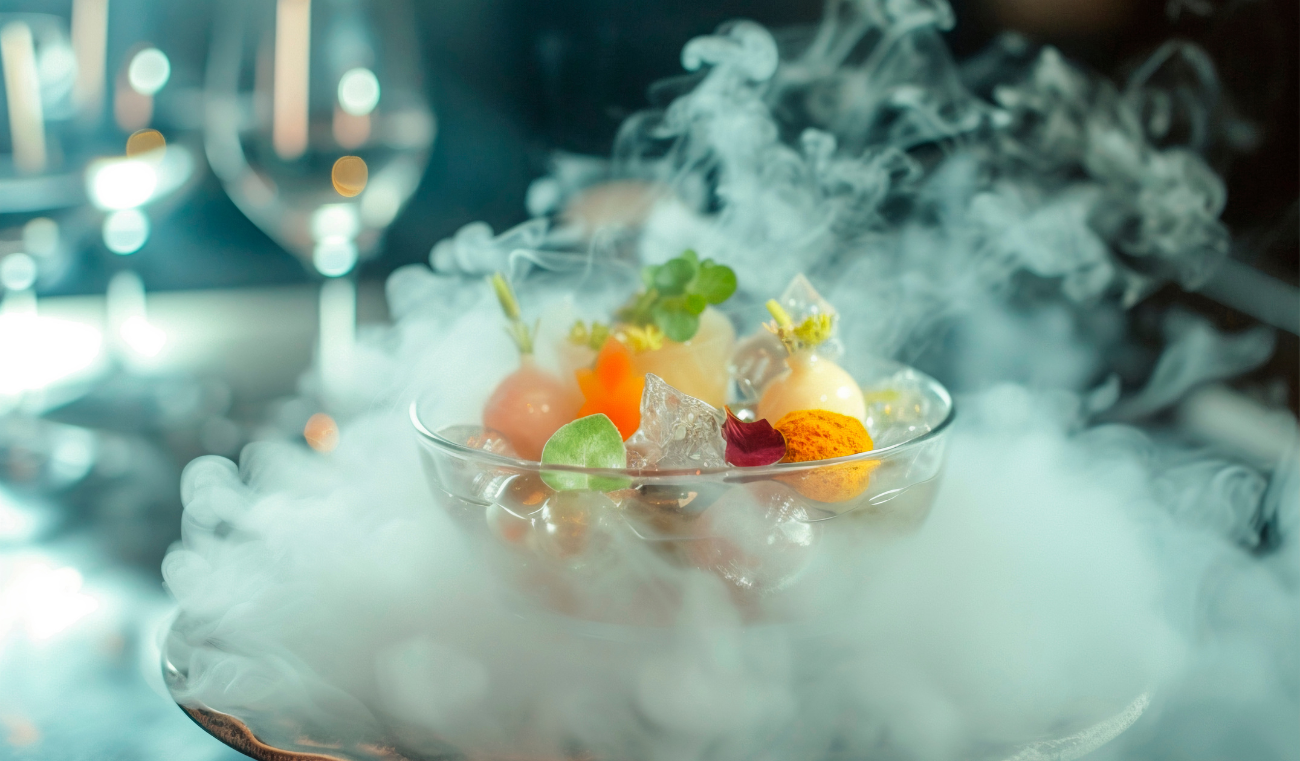
One of the most visually striking uses of dry ice in restaurants is creating smoke or fog effects. When dry ice is placed in warm water, it sublimates into carbon dioxide gas, forming a dense, low-lying fog. This effect is often used to enhance table presentations, adding an element of theater to dishes and drinks.
The fog produced by dry ice engages multiple senses, not just taste. Guests are drawn to the visual spectacle, which creates excitement and a memorable experience. It is commonly used in serving cocktails, desserts, or specialty dishes where presentation plays a crucial role in the overall dining experience.
Safety is critical when using dry ice for these effects. Chefs must ensure the fog does not come into direct contact with food or guests and that the area is well-ventilated to avoid CO₂ accumulation. When handled properly, dry ice fog adds a dramatic flair that elevates the restaurant experience and makes dishes share-worthy on social media, boosting marketing impact organically.
Rapid Freezing of Ingredients
Liquid nitrogen is a powerful tool for instantly freezing ingredients, from fruits to delicate desserts. Unlike traditional freezing, which can take hours, liquid nitrogen brings items to sub-zero temperatures in seconds, preserving texture, flavor, and nutritional content.
This rapid freezing allows chefs to create unique culinary textures, such as ultra-smooth ice creams or frozen fruit garnishes, that would be difficult to achieve with standard freezers. It also enables the preparation of ingredients just before service, ensuring freshness while maintaining visual and textural appeal.
Restaurants leverage this technique to innovate menu offerings, introducing items that surprise and delight guests. From frozen berries to instant sorbets, liquid nitrogen’s rapid freezing capabilities expand creative possibilities while maintaining high standards of quality and safety when handled by trained staff.
Innovative Cocktail Presentations
Dry ice has become a favorite tool for bartenders seeking to create eye-catching drinks. When added to cocktails, it produces bubbling smoke or fog that spills over the glass, instantly grabbing attention and enhancing the sensory experience. The visual effect makes drinks feel more theatrical and memorable, encouraging customers to share their experience on social media.
Beyond aesthetics, dry ice also subtly chills the drink without diluting it, unlike traditional ice cubes that melt and alter flavor. This allows bartenders to maintain the intended taste profile while delivering a dramatic presentation. Drinks served with dry ice are particularly popular in themed restaurants, high-end bars, and special events where experience matters as much as flavor.
Safety remains a priority: dry ice should never be ingested, and guests must avoid direct contact with the solid ice. By following proper handling guidelines, bartenders can safely use dry ice to enhance both the visual and cooling aspects of cocktails, creating a unique dining and drinking experience.
Food Preservation and Extended Shelf Life
Restaurants also use dry ice and liquid nitrogen to preserve ingredients and extend shelf life. Dry ice provides extremely low temperatures without leaving water behind, which helps prevent freezer burn and maintains the integrity of delicate items like seafood, meats, or pastries. This is particularly useful for catering, bulk storage, or long-distance ingredient delivery.
Liquid nitrogen, meanwhile, allows for rapid freezing that locks in freshness and flavor. By flash-freezing ingredients immediately after preparation, restaurants can maintain quality for longer periods without relying on chemical preservatives. This is especially valuable for molecular gastronomy dishes or seasonal items that require precise preservation to ensure optimal texture and taste.
Both methods reduce waste and help restaurants manage inventory more efficiently. When properly managed, dry ice and liquid nitrogen offer reliable, long-lasting solutions for food storage, ensuring that high-quality ingredients are ready for use without compromising safety or flavor.
Molecular Gastronomy Experiments
Dry ice and liquid nitrogen are essential tools in molecular gastronomy, where chefs blend culinary arts with scientific techniques. These cryogenic substances allow chefs to manipulate food textures and temperatures in ways that traditional methods cannot achieve. For example, liquid nitrogen can instantly freeze herbs, fruits, or sauces, creating unexpected textures like crunchy herbs or frozen foams that dissolve on the tongue.
Dry ice can also be used to create dramatic chemical reactions in cooking, such as producing cascading fog or bubbling effects when combined with acidic ingredients or warm liquids. These experiments engage diners visually and sensorially, transforming meals into interactive and memorable experiences. Molecular gastronomy often relies on precise temperature control, rapid freezing, and theatrical presentation—all made possible with dry ice and liquid nitrogen.
These techniques have revolutionized fine dining by enabling chefs to push the boundaries of flavor, texture, and presentation. While safety precautions are critical, trained chefs can safely use these cryogenic methods to elevate culinary creativity and offer diners a truly unique gastronomic experience.
Ice Cream and Frozen Desserts Made Instantly
One of the most popular applications of liquid nitrogen in restaurants is the instant preparation of ice cream and other frozen desserts. Unlike traditional freezing methods, which can take hours and result in coarse textures, liquid nitrogen rapidly freezes the mixture, creating a smooth, creamy consistency.
This technique allows chefs to prepare desserts tableside, adding an element of spectacle and interaction for diners. Watching the vapor rise from the liquid nitrogen adds excitement while also highlighting the innovative methods used in the kitchen. Additionally, the rapid freezing preserves flavors and prevents the formation of large ice crystals, ensuring a superior texture and taste.
Dry ice can complement this process by keeping ingredients cold before mixing or for temporary storage, but liquid nitrogen’s speed and precision make it the preferred choice for instant frozen desserts. This combination of functionality and theatrical presentation has made liquid nitrogen a staple in modern dessert menus, delighting guests with both flavor and visual appeal.
Creating Unique Dining Experiences
Restaurants increasingly use dry ice and liquid nitrogen to create immersive and memorable dining experiences. The dramatic visual effects, combined with novel textures and temperatures, transform meals into interactive events that engage multiple senses. Guests often associate these effects with innovation, luxury, and excitement, enhancing overall satisfaction.
For example, servers may bring out dishes with trailing fog from dry ice, or desserts may arrive with liquid nitrogen clouds rising from the plate. These presentations are particularly effective for themed dinners, special occasions, and high-end dining establishments. By integrating cryogenic elements into service, restaurants elevate the ordinary act of eating into a performance, leaving a lasting impression on patrons.
This approach also encourages social sharing. Diners are more likely to photograph and post about unique presentations, generating organic marketing for the restaurant. As a result, the use of dry ice and liquid nitrogen is not only a culinary tool but also a strategic method for branding and customer engagement.
Cold Infusions and Flavor Extraction
Liquid nitrogen allows chefs to perform cold infusions and rapid flavor extraction that would be difficult with traditional methods. By flash-freezing herbs, fruits, or other ingredients, chefs can concentrate flavors without using heat, which can alter taste profiles. This technique is ideal for creating intense extracts, syrups, or flavored powders that retain their natural aromas and nutrients.
Dry ice can also assist in this process by keeping ingredients extremely cold during preparation or storage, ensuring consistency and quality. The rapid temperature changes created by cryogenic tools can enhance chemical reactions that boost flavor, texture, or appearance, enabling chefs to experiment with innovative combinations and techniques.
These methods expand the creative potential of a restaurant kitchen, allowing chefs to offer unique and sophisticated flavor experiences that differentiate their menus. When applied safely, cold infusions and flavor extraction using cryogenic tools provide both functional and aesthetic benefits that appeal to modern diners.
Sanitization and Safety Applications
Beyond culinary creativity, dry ice and liquid nitrogen can play a role in food safety and sanitation. The extreme cold can help slow microbial growth on surfaces, equipment, or ingredients during preparation and storage. For example, certain catering and high-volume kitchens may use dry ice to temporarily chill surfaces or tools when rapid cooling is required between tasks.
Liquid nitrogen, when applied carefully, can also aid in hygiene by quickly freezing small amounts of food waste or spills, reducing odor and bacterial activity. While these methods do not replace standard cleaning and sanitation protocols, they offer supplementary measures that support safe handling and maintain high standards of food safety.
By integrating cryogenic tools into both culinary and operational practices, restaurants can achieve enhanced safety alongside creativity, demonstrating that dry ice and liquid nitrogen are versatile assets beyond visual and flavor innovations.
Conclusion
Dry ice and liquid nitrogen have revolutionized modern dining, offering restaurants a range of innovative possibilities. From dramatic smoke effects and rapid freezing of desserts to molecular gastronomy experiments and flavor extraction, these cryogenic tools enhance presentation, taste, and overall guest experience.
Proper handling and safety precautions are essential to maximize benefits while minimizing risks. When used responsibly, dry ice and liquid nitrogen not only elevate culinary creativity but also support food preservation, hygiene, and memorable dining experiences. Their combination of functionality, spectacle, and innovation explains why these tools are increasingly prevalent in high-end and experimental restaurant kitchens.