
A Step-by-Step Guide to Using Dry Ice for Shipping Frozen Foods

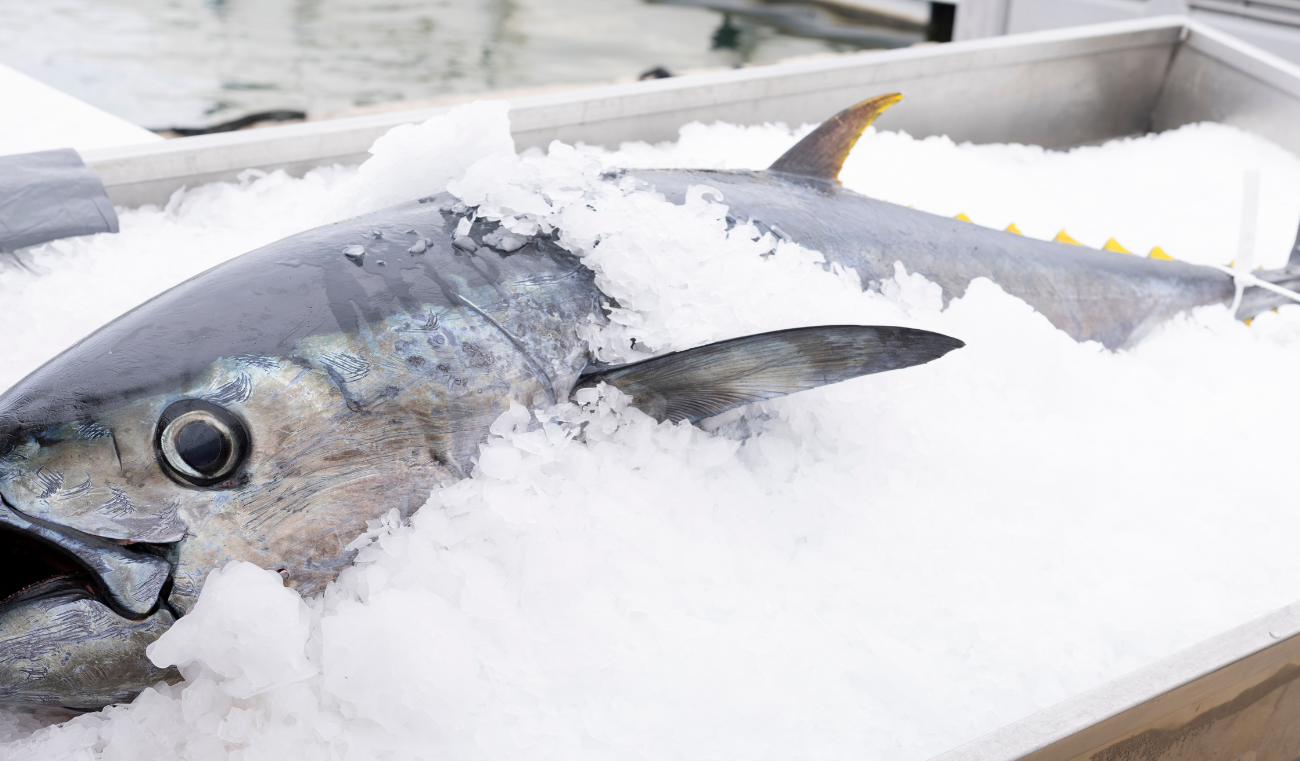
Shipping frozen foods requires precision to ensure they arrive fresh, safe, and at the correct temperature. Traditional ice melts quickly, leading to potential spoilage and safety concerns. Dry ice, the solid form of carbon dioxide, provides an ultra-cold solution that maintains frozen temperatures for extended periods. Its sublimation directly into gas allows it to cool without leaving water residue, making it ideal for frozen food shipments.
Using dry ice safely and effectively requires understanding its properties, proper packaging techniques, and handling precautions. This step-by-step guide will walk you through everything from preparing your foods to selecting containers, calculating the right amount of dry ice, and ensuring safe transport. Whether you’re shipping seafood, desserts, or frozen meals, following these guidelines will help maintain food quality and safety during transit.
Why Dry Ice Is Ideal for Frozen Food Shipping
Dry ice offers distinct advantages over regular ice for frozen food transport. Unlike water ice, dry ice does not melt into liquid, preventing soggy packaging and preserving food integrity. It maintains temperatures as low as –78.5°C (–109.3°F), far colder than conventional ice, which ensures that frozen items stay solid even during long shipments.
Another major benefit is the controlled sublimation of dry ice. As it turns directly into carbon dioxide gas, it avoids liquid buildup in containers, reducing the risk of contamination or damage to food packaging. This makes dry ice ideal for products sensitive to moisture, such as baked goods, seafood, and specialty frozen items.
Dry ice is also lightweight relative to its cooling capacity. This allows shippers to maintain ultra-low temperatures without significantly increasing package weight, keeping shipping costs reasonable. Its long-lasting cooling effect, combined with versatility in packaging, makes it a reliable choice for local deliveries and international shipments alike.
By understanding why dry ice outperforms traditional ice, shippers can make informed decisions about storage, handling, and packing methods that maintain the highest food quality.
Preparing Your Items for Shipment
Before adding dry ice, properly preparing your food items is essential. Start by pre-chilling frozen foods in a freezer to reduce temperature shock when placed in the shipping container. Items that are already cold or frozen will stay frozen longer and maintain their texture and flavor.
Next, package foods securely to prevent leakage, crushing, or cross-contamination. Use airtight containers, vacuum-sealed bags, or heavy-duty freezer bags for individual items. Ensure packaging is sturdy enough to withstand handling during transit, as frozen foods are often stacked or jostled.
Group similar items together to maximize container efficiency. Avoid overpacking, which can limit airflow and reduce cooling efficiency. Leave small gaps for dry ice placement so that gas can circulate evenly around the items.
Label packages internally with the contents and expiration dates if necessary. This ensures the recipient can quickly organize or store the products upon arrival. Proper preparation lays the foundation for effective cooling, allowing dry ice to perform at its best throughout the shipping process.
Choosing the Right Amount of Dry Ice
Calculating the correct amount of dry ice is crucial for maintaining frozen temperatures during shipment. Too little dry ice risks thawing, while too much can create handling hazards and excessive sublimation. Factors to consider include package size, weight, shipping duration, and external temperature conditions.
A general rule of thumb is 10–15 pounds of dry ice per 24 hours for every cubic foot of shipping space, though this varies depending on insulation quality and product type. For longer shipments, you may need to increase the quantity or use larger blocks instead of pellets, as blocks sublimate more slowly and provide longer-lasting cooling.
Temperature sensitivity of the foods is another consideration. Items like ice cream or seafood require ultra-low temperatures and benefit from thicker dry ice layers, while sturdier frozen meals may tolerate slightly higher temperatures. Planning in advance and consulting dry ice charts or calculators ensures the right balance between safety, cooling efficiency, and cost.
Finally, always allow for some air circulation within the container. Dry ice generates carbon dioxide gas as it sublimates, and sealed packages can cause dangerous pressure buildup. Proper calculation and placement help maximize the lifespan of your dry ice while ensuring safe and effective shipping.
Selecting Containers and Insulation Materials
Choosing the right container is essential for successful frozen food shipping. Insulated containers, such as styrofoam boxes, heavy-duty coolers, or thermal liners, are ideal because they minimize heat transfer and slow down sublimation. The thicker the insulation, the longer the dry ice will maintain the required temperature.
Styrofoam boxes are lightweight, cost-effective, and highly insulating, making them a popular choice for short- to medium-distance shipments. For larger or international shipments, reinforced plastic coolers with thermal liners offer durability and can withstand rough handling during transit.
Layering is also important. Place a small barrier, such as cardboard or newspaper, between dry ice and food items to prevent direct contact, which can cause freezing damage. Top insulation, like a thermal blanket or additional styrofoam lid, further slows sublimation.
Ventilation cannot be ignored. Containers should allow carbon dioxide gas to escape without creating pressure buildup. Avoid airtight containers, as trapped gas can be dangerous for handlers and compromise package integrity.
Selecting the right container and insulation materials ensures your dry ice lasts longer, keeps foods properly frozen, and reduces risks associated with sublimation and gas buildup.
Safe Handling of Dry Ice
Handling dry ice safely is critical for both personal safety and successful shipping. Dry ice is extremely cold at –78.5°C (–109.3°F), and direct contact with skin can cause frostbite-like burns within seconds. Always use insulated gloves or tongs when touching dry ice, and avoid prolonged contact.
Ventilation is another key safety measure. As dry ice sublimates into carbon dioxide gas, it can accumulate in enclosed spaces and displace oxygen, creating a risk of suffocation. Always handle dry ice in well-ventilated areas, whether you are preparing packages indoors or loading them for transport.
Storage during packing should be temporary. Keep dry ice in insulated containers until just before assembly to maintain temperature and minimize sublimation loss. Avoid storing dry ice in freezers or airtight containers, as this can cause pressure buildup and potential explosions.
By following these precautions—gloves, proper ventilation, and careful storage—you protect yourself and your team while ensuring the dry ice remains effective throughout the shipping process.
Labeling and Shipping Compliance
Shipping frozen foods with dry ice is regulated due to the hazardous nature of carbon dioxide gas. Proper labeling ensures safety for carriers, handlers, and recipients. All packages containing dry ice must be clearly labeled with “Dry Ice” or “Carbon Dioxide, Solid” along with the net weight of the dry ice in kilograms or pounds.
Carriers often require additional documentation specifying the package contents, emergency contact information, and confirmation that the package meets safety standards. For air transport, compliance with IATA (International Air Transport Association) regulations is mandatory, while ground transport may follow local DOT guidelines.
Placement of the label is also important. Labels should be visible on multiple sides of the package to alert anyone handling it. Including instructions for safe handling, such as “Do not touch dry ice with bare hands” or “Open in a ventilated area,” further reduces risks during transit.
Proper labeling and compliance not only keep your shipment legal but also protect the integrity of the foods and the safety of everyone involved in the shipping chain.
Step-by-Step Packing Process
Packing frozen foods with dry ice requires a careful and methodical approach to ensure both safety and effectiveness. Start by preparing your container with an insulation layer, such as a styrofoam box or thermal liner, to minimize heat transfer. Place a thin layer of cardboard or newspaper at the bottom to prevent direct contact between dry ice and the container, which helps protect the food and prolong the dry ice’s lifespan.
Next, arrange the food items inside the container. Keep similar items together and avoid overpacking, which can restrict airflow and reduce cooling efficiency. Place dry ice on top of the food rather than beneath it, as cold air naturally sinks, ensuring even temperature distribution throughout the package. For larger shipments, you can layer dry ice between layers of food, but always maintain a barrier to prevent direct contact.
Finally, seal the container loosely to allow carbon dioxide gas to escape safely. Never use airtight lids or plastic wrap directly over the dry ice, as this can create dangerous pressure buildup. If needed, cover with a thermal blanket or additional insulation to reduce sublimation without compromising ventilation. Following these steps ensures that your frozen foods remain solid, safe, and fresh during transit.
Monitoring and Delivery Tips
Even with proper packing, monitoring the shipment is essential. Use temperature indicators or data loggers to track internal temperatures and ensure dry ice maintains the required cold. This is especially important for long-distance or international shipments.
Communicate with the recipient regarding the contents and handling instructions. They should be aware of the dry ice inside and instructed to open the package in a well-ventilated area and avoid direct skin contact. For time-sensitive shipments, consider express shipping options to minimize transit time and maximize food quality.
Check the weather and external temperature conditions before shipping. High ambient temperatures can increase sublimation rates, so planning shipments during cooler parts of the day or using additional insulation layers may help extend dry ice longevity. By actively monitoring and planning, you ensure the foods arrive in optimal condition while maintaining safety throughout the shipping process.
Conclusion
Using dry ice for shipping frozen foods is a reliable way to maintain ultra-low temperatures, ensuring products arrive fresh and safe. By carefully preparing your items, selecting the right amount of dry ice, using insulated containers, and following proper handling and labeling procedures, you can maximize cooling efficiency while minimizing risks.
Attention to detail in packing, ventilation, and monitoring ensures that shipments maintain quality throughout transit. Dry ice offers unmatched cooling power for frozen foods, but its safe and effective use requires planning, knowledge, and adherence to regulatory standards. When done correctly, dry ice shipping can expand your business capabilities, improve customer satisfaction, and protect the integrity of your frozen products.