
The Beginner’s Guide to Using Ice Bath Tubs at Home

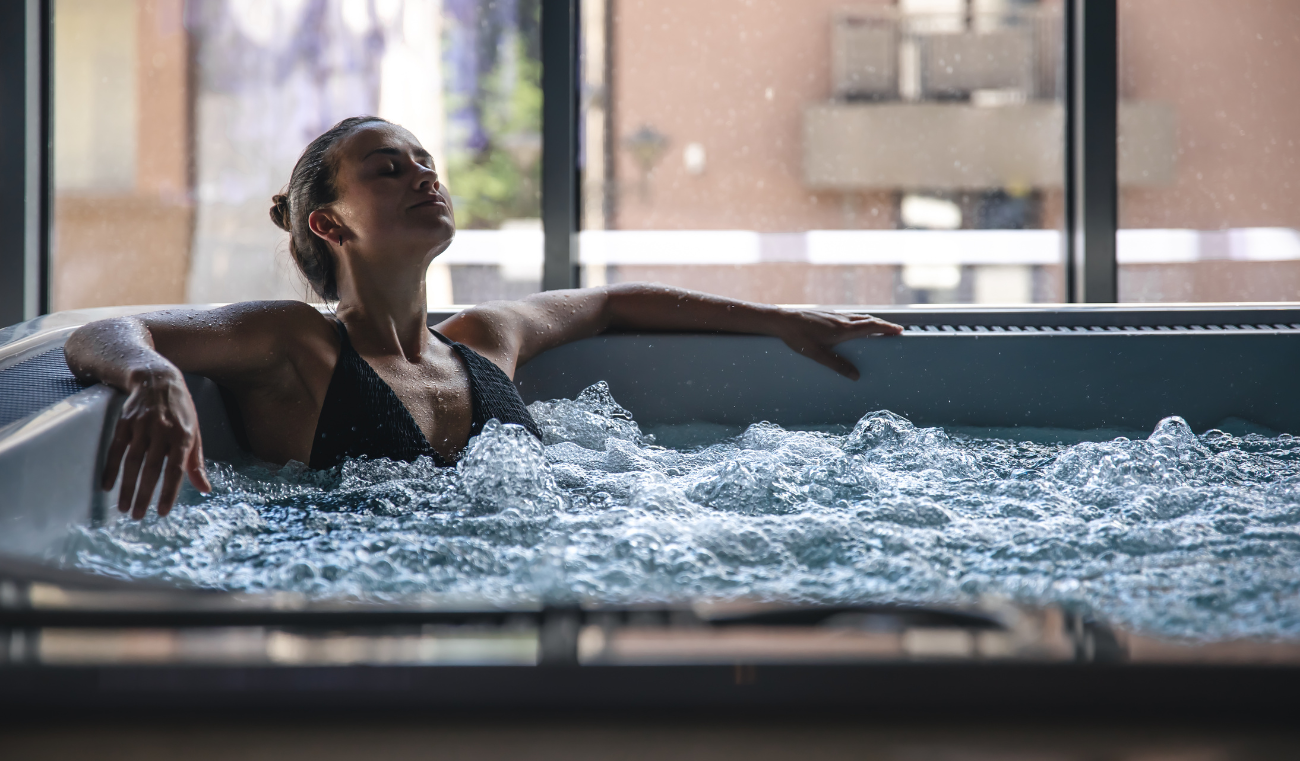
Ice baths have long been associated with professional athletes and recovery routines, but they are becoming increasingly popular for home use. Immersing your body in cold water can accelerate muscle recovery, reduce inflammation, improve circulation, and even boost mental well-being. With the right setup and precautions, ice bath tubs can provide these benefits safely at home.
This beginner’s guide will walk you through everything you need to know about using ice bath tubs at home. From understanding the benefits to selecting the right tub, preparing your space, and managing ice and water safely, you’ll learn how to create a home recovery routine that is both effective and enjoyable.
Understanding the Benefits of Ice Baths
Ice baths work by exposing your body to cold temperatures, typically between 10–15°C (50–59°F). This sudden cold triggers vasoconstriction, which narrows blood vessels and reduces inflammation in muscles and joints. Once you exit the bath, blood flow increases, flushing out metabolic waste and promoting faster recovery.
Athletes often use ice baths after intense training sessions to alleviate soreness and accelerate muscle repair. However, even non-athletes can benefit from ice baths. Cold immersion has been linked to mental health improvements, including reduced stress, heightened alertness, and a release of endorphins that improve mood.
Additionally, regular cold exposure may enhance circulatory health by improving vascular function and resilience. While the research continues to evolve, anecdotal evidence suggests that ice baths can also support better sleep and reduced swelling in the body. Understanding these benefits helps beginners appreciate why incorporating an ice bath into their routine can enhance both physical and mental well-being.
Choosing the Right Ice Bath Tub
Selecting the right ice bath tub is essential for safety and comfort. Home ice bath tubs come in various sizes, materials, and designs. Plastic or resin tubs are lightweight and durable, while stainless steel models offer long-lasting quality and a premium feel. Inflatable options can be convenient for temporary use or limited space.
Size matters. A tub should allow you to immerse your body comfortably without feeling cramped. Consider your height and width, as well as the depth required to cover your torso fully. Some tubs also include seating areas or contoured shapes for added comfort.
Additional features can enhance the experience. Insulated walls help maintain colder temperatures longer, reducing the amount of ice needed. Some tubs include drainage systems for easy water removal, while others offer covers to keep the water cold between uses. By carefully evaluating size, material, and features, you can select an ice bath tub that fits your home setup and recovery goals.
Preparing Your Space
Before setting up an ice bath at home, it’s important to prepare the area properly. Choose a location that can handle water splashes and condensation, such as a bathroom, garage, or patio with a non-slip floor. Place a waterproof mat or tarp underneath the tub to protect flooring from damage.
Ensure the area has adequate drainage in case of spills or when emptying the tub. Some ice bath tubs come with built-in drains, which simplify water removal. If your tub lacks a drain, plan a safe method for carrying or pumping out the water without causing damage.
Ventilation is another key consideration. Cold baths create condensation that can promote mold or mildew if used in enclosed, poorly ventilated areas. Open windows or use fans to maintain airflow and reduce humidity. Additionally, make sure the space is safe and easily accessible to prevent slips, falls, or accidents while entering or exiting the tub.
Proper preparation ensures a safe and comfortable environment, making the ice bath experience more enjoyable and reducing risks associated with water damage or accidents.
Filling and Managing the Ice Bath
Filling your ice bath correctly is essential for achieving the right temperature and maintaining safety. Start by adding cold tap water to the tub. The water level should be high enough to cover the areas of your body you want to immerse, typically up to the chest.
Next, add ice gradually. The amount depends on your desired temperature, which for beginners is usually 10–15°C (50–59°F). Start with a moderate amount, then adjust as needed while monitoring the water temperature with a thermometer. Avoid using extreme amounts of ice at once, as sudden exposure to very cold water can shock the body and increase risk of injury.
While in the bath, move slowly and maintain control over immersion. Beginners should start with short durations, typically 2–5 minutes, gradually increasing as tolerance improves. Keep a towel and warm clothing nearby for after the bath to safely raise your body temperature. For ongoing use, change the water regularly and add fresh ice as needed to maintain consistent cooling.
By carefully filling and managing your ice bath, you can create a safe and effective recovery experience that maximizes benefits without compromising safety or comfort.
Duration and Frequency Guidelines
The effectiveness of ice baths depends not only on temperature but also on how long and how often you immerse yourself. For beginners, short sessions of 2–5 minutes are recommended to allow your body to adjust to the cold. Over time, you can gradually increase the duration to 10–15 minutes, but exceeding this may increase the risk of hypothermia or frostbite.
Frequency should align with your recovery needs and tolerance. Many athletes and enthusiasts use ice baths 2–3 times per week after intense workouts or physical activity. Daily use is possible for some, but it should be approached cautiously and monitored carefully, especially in home settings where medical supervision is limited.
It’s important to listen to your body. Signs of excessive cold exposure include numbness, tingling, or shivering that doesn’t subside after leaving the bath. Gradual adaptation helps maximize recovery benefits while minimizing risks, making ice baths a safe and effective tool for home wellness.
Safety Precautions for Home Use
Safety is paramount when using ice bath tubs at home. Always consult a healthcare professional if you have underlying health conditions such as heart problems, high blood pressure, or circulation issues before beginning cold immersion therapy.
Never enter an ice bath alone, especially if you’re a beginner. Having someone nearby can help in case of dizziness, fainting, or other unexpected reactions. Use non-slip mats to prevent accidents when getting in or out of the tub, and avoid sudden immersion, which can shock the cardiovascular system.
Monitor water temperature carefully. Avoid extremely cold temperatures at first, and always keep towels or warm blankets nearby for post-bath recovery. Limit the duration of your sessions according to your experience and tolerance, and never leave children unattended around ice baths.
By following these precautions, homeowners can enjoy the physical and mental benefits of ice baths safely, reducing risks and creating a consistent, effective recovery routine.
Conclusion
Ice bath tubs offer an effective way to boost recovery, reduce inflammation, and improve mental well-being at home. By understanding the benefits, selecting the right tub, preparing your space, managing ice and water, and following proper safety and duration guidelines, beginners can create a safe and enjoyable routine.
With careful planning and adherence to best practices, ice baths can become a powerful tool in your home wellness arsenal, supporting both physical recovery and mental resilience.