
7 Reasons Ice Baths Are the Hottest Trend in Cold Therapy

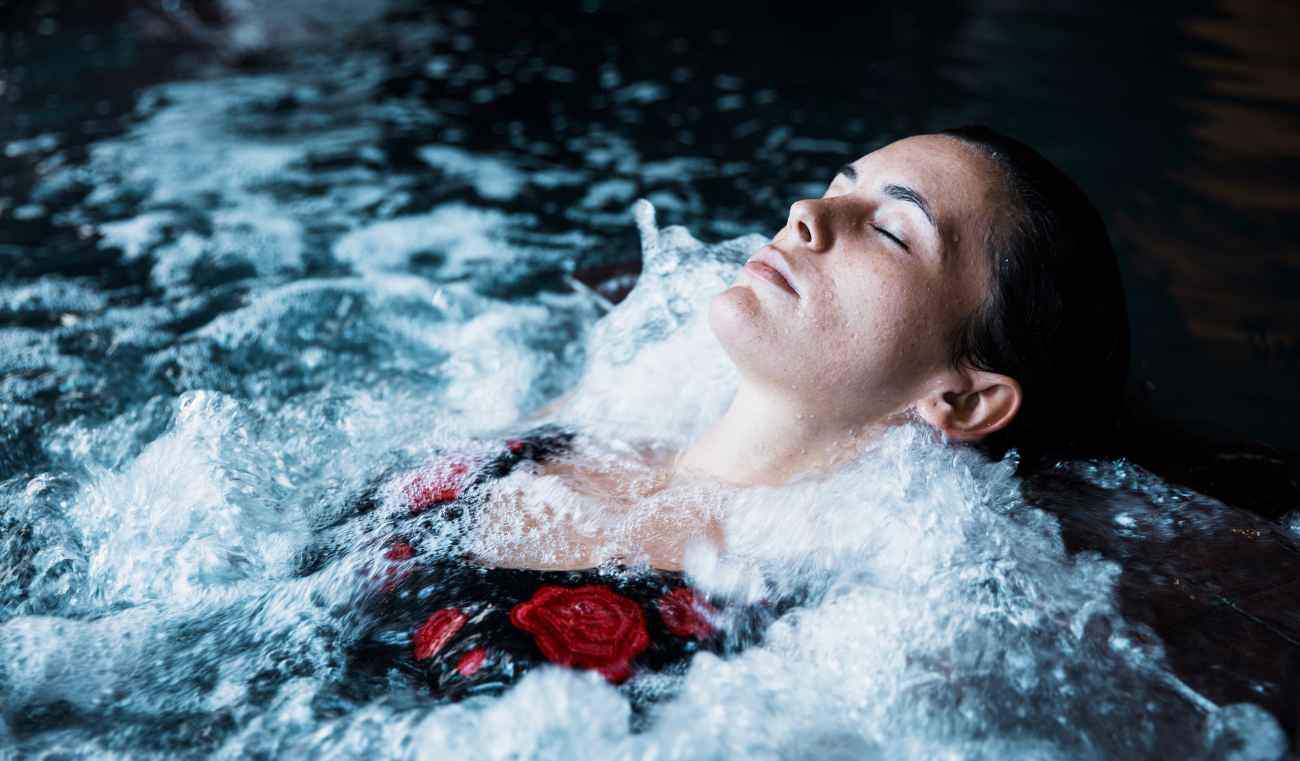
Ice baths are no longer reserved for elite athletes or extreme wellness enthusiasts. In recent years, they have surged in popularity across gyms, spas, and even home routines. The practice involves immersing the body in cold water, often enhanced with ice, to trigger physiological and psychological responses. While the idea of stepping into freezing water may sound uncomfortable, the benefits explain why more people are embracing this trend. From reducing inflammation to boosting mental strength, ice baths are becoming a cornerstone of modern cold therapy. In this article, we’ll explore seven reasons why ice baths have captured attention worldwide and why they may be worth adding to your own recovery or wellness routine.
Reducing Muscle Soreness and Inflammation
One of the most well-documented benefits of ice baths is their ability to reduce muscle soreness and inflammation. After intense exercise, muscles often experience microtears that lead to delayed onset muscle soreness, commonly known as DOMS. This soreness typically sets in within 24 to 48 hours after activity and can hinder performance in subsequent workouts. Cold water immersion helps address this issue by constricting blood vessels, which reduces swelling and the accumulation of metabolic waste products around the muscles.
When the body is exposed to cold temperatures, inflammation markers decrease significantly. This means athletes and fitness enthusiasts can recover faster and experience less discomfort following strenuous exercise. By minimizing swelling, ice baths also help maintain mobility and flexibility, allowing for more consistent training.
Scientific studies have shown that even short sessions in cold water can reduce muscle pain and inflammation when compared to passive recovery methods. Athletes who incorporate ice baths into their routines often report feeling fresher and more prepared for their next workout or competition. The cooling effect also provides immediate relief, soothing sore muscles in a way that heat or stretching alone cannot achieve.
In addition, ice baths may have long-term benefits for joint health. By regularly controlling inflammation, they may reduce the risk of chronic overuse injuries and support sustainable physical performance. Whether you’re a professional athlete or someone new to fitness, the anti-inflammatory power of ice baths makes them a valuable recovery tool.
Speeding Up Athletic Recovery Times
Another key reason ice baths are gaining popularity is their ability to accelerate recovery times. High-performance athletes often face demanding schedules that require quick turnaround between games, practices, or competitions. Even for casual fitness enthusiasts, long recovery periods can disrupt consistency in training. Ice baths offer a solution by helping the body bounce back more quickly after strenuous activity.
The cooling effect of ice baths triggers vasoconstriction, or the narrowing of blood vessels. When you step out of the cold water and your body begins to warm up, the vessels dilate again. This cycle of constriction and dilation promotes circulation, flushing out waste products such as lactic acid while delivering fresh oxygen and nutrients to muscle tissues. The result is a faster healing process and reduced fatigue.
Athletes across different sports—from runners and football players to swimmers and weightlifters—use ice baths to gain this advantage. For them, the difference between performing at peak capacity and struggling with soreness can come down to effective recovery strategies. Ice baths help shorten downtime, allowing them to train harder and more frequently without risking overtraining or injury.
Beyond the physical benefits, there is also a psychological component. Knowing that recovery will be quicker can give athletes confidence in pushing themselves during training sessions. This mental assurance contributes to higher performance levels overall.
Even outside the world of competitive sports, everyday people are discovering the convenience of faster recovery. For individuals juggling exercise with work and personal responsibilities, ice baths make it easier to stay consistent without losing days to muscle fatigue. This practical advantage helps explain why cold therapy has moved from professional arenas into mainstream wellness practices.
Boosting Mental Resilience
While the physical benefits of ice baths are widely discussed, their impact on mental toughness is just as compelling. Immersing yourself in freezing water is not easy—it requires focus, discipline, and the ability to remain calm under stress. Over time, this practice trains the mind to handle discomfort and builds resilience that extends beyond the ice bath itself.
When exposed to cold temperatures, the body’s stress response kicks in. Breathing quickens, the heart rate increases, and adrenaline surges. By learning to control breathing and remain calm in this environment, individuals strengthen their ability to manage stress in everyday life. This mental training can help people stay composed during work challenges, personal setbacks, or other stressful situations.
Research also suggests that regular cold exposure may stimulate the release of endorphins, which are natural mood boosters. Many people report feeling euphoric or energized after an ice bath. This “post-cold high” can lift mood, increase mental clarity, and improve focus. For individuals struggling with anxiety or low energy, this effect can be particularly beneficial.
Athletes often describe ice baths as a mental reset. The shock of cold demands full presence, making it difficult to think about anything else. This mindfulness aspect helps reduce overthinking and fosters a stronger connection between mind and body. Over time, enduring the cold develops grit and determination, qualities that are valuable both in sports and daily life.
Ice baths, therefore, are not just about physical recovery—they are a mental conditioning tool. By voluntarily embracing discomfort, people cultivate confidence in their ability to overcome difficult situations. This growing popularity highlights how cold therapy has evolved into a holistic practice that strengthens both body and mind.
Improving Sleep Quality
Another surprising reason ice baths have gained traction is their positive influence on sleep. Quality rest is one of the most important factors in recovery, performance, and overall health. However, modern lifestyles often disrupt sleep patterns through stress, screen time, or irregular schedules. Ice baths can play a role in restoring balance and improving restfulness.
Cold immersion lowers the body’s core temperature, which naturally signals the brain that it is time to wind down. This cooling effect mirrors the body’s natural process of preparing for sleep, making it easier to fall asleep faster. Many people who incorporate ice baths into their evening routine report deeper, more restorative sleep afterward.
In addition, ice baths help reduce cortisol, the stress hormone that interferes with rest. Lower cortisol levels promote relaxation, setting the stage for uninterrupted sleep cycles. For athletes and fitness enthusiasts, this means more effective recovery during the night as the body repairs muscles and restores energy.
Better sleep also contributes to improved mood, focus, and productivity the following day. By enhancing rest, ice baths indirectly support overall performance in sports, work, and daily responsibilities. The ripple effect of quality sleep cannot be overstated—it touches nearly every aspect of health and well-being.
It’s important to note that timing matters. Taking an ice bath too close to bedtime may be too stimulating for some, as the cold shock initially activates the nervous system. However, scheduling it an hour or two before sleep gives the body enough time to shift from alertness to relaxation.
The connection between cold therapy and improved sleep quality adds another layer to the growing appeal of ice baths. Not only do they speed up recovery and reduce soreness, but they also promote the deep rest that fuels both physical and mental performance.
Supporting Injury Management
Ice baths are a widely recognized method for managing minor injuries, such as sprains, strains, or overuse conditions. When tissue is damaged, blood vessels expand, causing swelling and inflammation that can prolong recovery. Immersing the affected area or the whole body in cold water constricts blood vessels, slowing fluid accumulation and reducing swelling. This process can limit tissue damage and alleviate pain, making movement easier during recovery.
Athletes often use ice baths immediately after practice or competition to prevent minor injuries from becoming more serious. By reducing inflammation early, the body can heal more efficiently, lowering the risk of chronic issues. Coaches and physical therapists frequently incorporate cold immersion as part of a broader rehabilitation plan, combining it with stretching, compression, and mobility exercises for optimal results.
Ice baths also support rehabilitation for repetitive strain injuries. Many individuals experience discomfort from frequent gym workouts, running, or occupational activities. Cold therapy can decrease discomfort while allowing them to maintain consistent training or work schedules. It serves as a preventive measure as much as a reactive treatment.
It’s important to use proper protocols when treating injuries with ice baths. Sessions should typically last 10–15 minutes, and the water temperature should be monitored to prevent excessive cold exposure. Direct contact with dry ice or extremely cold water without proper insulation can cause skin damage or frostbite. When applied correctly, ice baths provide a safe, effective, and non-invasive approach to injury management.
By incorporating ice baths into recovery and rehabilitation routines, athletes and fitness enthusiasts can maintain performance, reduce downtime, and support overall musculoskeletal health.
Enhancing Circulation and Blood Flow
Ice baths are also known for improving circulation and promoting healthy blood flow. Exposure to cold water causes blood vessels near the skin to constrict, a process called vasoconstriction. When the body warms up after leaving the ice bath, the vessels dilate again, promoting increased circulation. This cycle helps flush out metabolic waste from muscles and delivers oxygen-rich blood to tissues, supporting faster recovery and overall vascular health.
Enhanced circulation has a range of benefits beyond athletic performance. It can reduce fatigue, improve energy levels, and support immune function. For individuals with circulation challenges, regular cold exposure may encourage better blood flow to extremities, promoting tissue health and reducing discomfort caused by stagnant circulation.
Athletes often combine ice baths with contrast therapy—alternating between cold immersion and warm water—to maximize vascular benefits. This method stimulates blood flow more aggressively and can accelerate recovery compared to cold alone. The improved circulation also helps the body regulate temperature more efficiently, which can enhance endurance and performance in future workouts.
Cold therapy’s effect on the cardiovascular system is subtle but meaningful. By repeatedly exposing the body to controlled cold stress, individuals can support their vascular health, reduce muscle fatigue, and enhance overall wellness. This physiological response is one of the reasons ice baths have gained traction in the broader health and fitness community, proving that their benefits extend beyond mere soreness relief.
Growing Popularity in Wellness and Lifestyle Trends
Ice baths have evolved from a niche athletic recovery tool into a mainstream wellness trend embraced by a wide range of individuals. Celebrities, fitness influencers, and lifestyle enthusiasts have helped popularize cold immersion, showcasing its benefits on social media and wellness platforms. This visibility has encouraged everyday people to explore ice baths as part of their health routines.
The accessibility of ice baths has also improved. While professional athletes often use specialized tubs, many consumers now create home setups using standard bathtubs or portable cold tubs. Combined with guidance from online tutorials and wellness programs, this makes cold therapy more approachable for beginners. Even gyms and fitness studios are offering guided ice bath sessions as part of recovery programs, signaling growing acceptance across mainstream health communities.
Beyond physical recovery, the integration of ice baths into wellness routines reflects a broader cultural shift toward proactive health and biohacking. People are increasingly interested in methods that enhance both physical and mental performance. Ice baths provide tangible benefits, from reducing inflammation and boosting circulation to improving mental resilience and sleep quality, making them appealing for holistic self-care.
Additionally, wellness retreats, spa centers, and professional clinics now incorporate cold therapy into their offerings. This trend underscores its perceived legitimacy and effectiveness, as trained professionals supervise sessions to maximize benefits and ensure safety. The social aspect of group ice baths further adds to their appeal, offering a shared experience that promotes community and motivation.
As more research highlights the multiple advantages of cold exposure, the popularity of ice baths continues to grow. They are no longer just a recovery tool for elite athletes but a versatile wellness practice that integrates seamlessly into modern health routines.
Conclusion
Ice baths have firmly established themselves as one of the hottest trends in cold therapy for good reason. They reduce muscle soreness, speed up recovery, support injury management, and enhance circulation. Beyond the physical, they strengthen mental resilience, improve sleep quality, and offer a unique wellness experience embraced by lifestyle enthusiasts worldwide.
Whether you are a professional athlete, a casual fitness lover, or someone seeking innovative wellness strategies, ice baths provide a versatile and effective tool. By understanding their benefits and following proper safety protocols, anyone can incorporate cold immersion into their routine to optimize both body and mind. This growing trend demonstrates that sometimes, the coldest experiences can yield the warmest rewards in health and performance.