
Can Ice Baths Really Boost Mental Health?

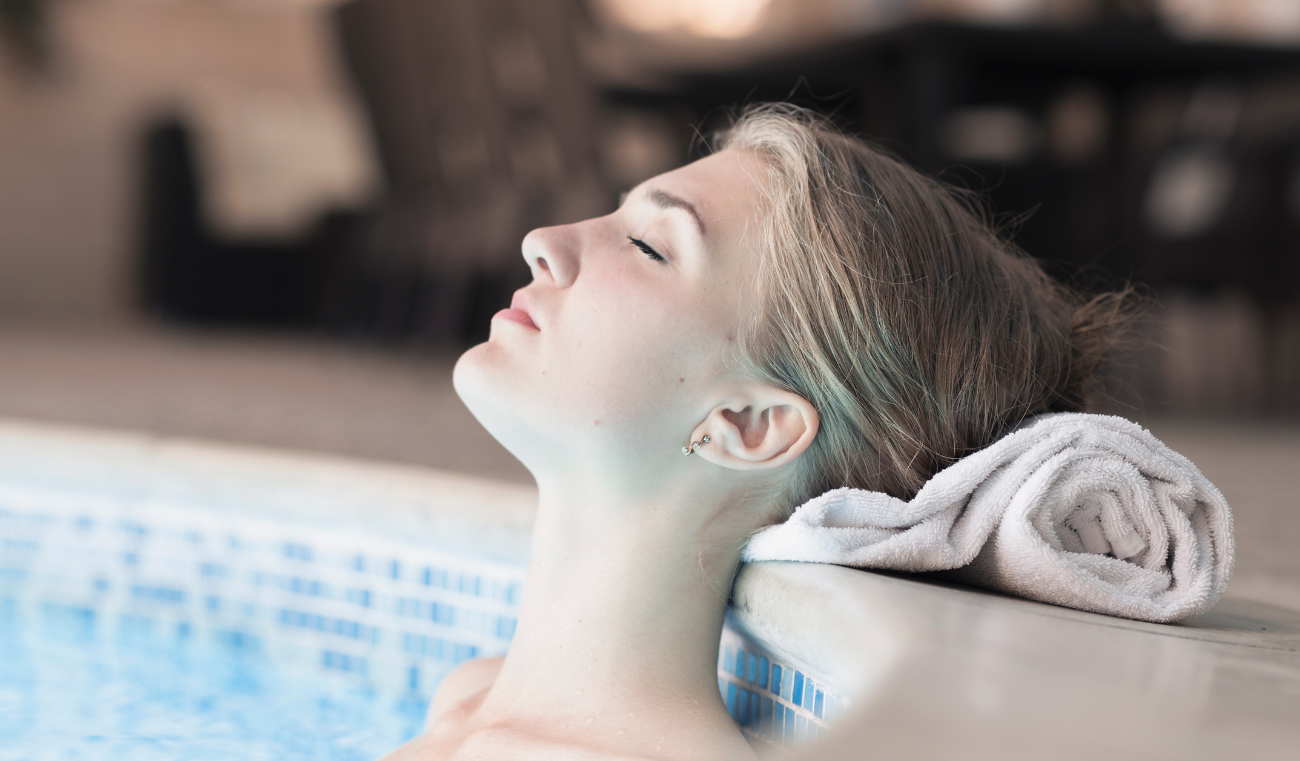
Ice baths are no longer just for elite athletes. In recent years, more people are exploring cold therapy as a way to not only recover physically but also to improve their mental wellbeing. The practice of immersing the body in icy water may seem extreme, but science is uncovering fascinating links between cold exposure and mental health. From reducing stress to boosting mood, ice baths might offer more benefits for the mind than many realize.
The Connection Between Cold Therapy and the Mind
The human body responds to cold exposure in ways that go far beyond the skin. When you immerse yourself in an ice bath, your nervous system reacts by releasing adrenaline and other stress hormones. At first, this response can feel overwhelming, as your breathing quickens and your heart rate spikes. However, this natural stress reaction also trains your body and mind to adapt.
Cold therapy creates a controlled stress environment. Unlike random stressors from work or personal life, cold exposure is predictable and intentional. This gives the brain a chance to practice regulating emotions in difficult situations. Many practitioners find that this repeated exposure to discomfort builds mental resilience, allowing them to feel calmer and more in control during daily challenges.
Researchers also suggest that cold exposure may influence neurotransmitters—the chemical messengers in the brain. By altering dopamine and serotonin activity, cold therapy could improve focus and stabilize mood. In this way, ice baths become more than just a physical recovery tool—they act as a mind-body exercise that strengthens emotional balance.
Endorphin Release and Mood Elevation
One of the most immediate mental health benefits of an ice bath comes from the release of endorphins. Endorphins are the body’s natural painkillers and mood enhancers. After the initial shock of icy water, the body starts producing these feel-good chemicals, creating a sense of relief and even euphoria once you step out of the bath.
This process is similar to the “runner’s high” experienced after intense exercise. The sudden rush of endorphins not only counteracts discomfort but also leaves you with a clearer, more positive mindset. For people struggling with low mood, this natural chemical boost can provide a powerful reset.
Additionally, the combination of improved circulation, lowered inflammation, and endorphin release creates a physical lightness that contributes to better mental clarity. Many people report feeling energized and mentally refreshed after even a short cold immersion. While the effects are temporary, regular ice baths may compound these benefits, offering a sustainable way to support emotional wellbeing.
Ice Baths as a Tool for Stress Management
Modern life is filled with constant stressors, many of which feel out of our control. Ice baths offer a unique method for managing stress because they simulate a high-pressure environment in a safe and intentional way. When the body enters icy water, it immediately triggers the fight-or-flight response. Your breath quickens, your heart races, and your muscles tighten. This is the same biological reaction that occurs during stressful daily events.
The difference is that in an ice bath, you choose to stay and regulate your response. By focusing on slow breathing and relaxation techniques, you teach your nervous system how to handle stress with more control. Over time, this practice carries over into real life, where stressful moments feel less overwhelming. Instead of reacting with panic, you learn to remain calm and grounded.
Many people who regularly take ice baths report reduced overall stress levels and a greater ability to manage emotions during tense situations. This is because their bodies become accustomed to the stress response and learn to recover from it more efficiently. In essence, ice baths provide a safe “training ground” for the mind to practice resilience against everyday challenges.
The Role of Ice Baths in Building Resilience
Resilience is the ability to bounce back from adversity, and cold therapy may play a valuable role in strengthening this mental skill. Ice baths push you beyond your comfort zone, forcing you to confront physical discomfort head-on. Each time you endure the cold, you prove to yourself that you can overcome discomfort and maintain control. This repeated exposure gradually strengthens mental toughness.
Psychologists often refer to this concept as “stress inoculation.” Just as vaccines expose the body to small amounts of a virus to build immunity, deliberate cold exposure introduces manageable stress to train the mind. Over time, this helps build confidence and resilience that can apply to work, relationships, and personal growth.
Moreover, the ritual of taking ice baths fosters discipline and commitment. Stepping into cold water is never easy, but by choosing to do it regularly, you practice consistency and self-control. These traits extend beyond the bath, empowering individuals to approach life’s challenges with greater strength and determination.
Potential Benefits for Anxiety and Depression
Anxiety and depression are often linked to imbalances in stress hormones, neurotransmitters, and lifestyle habits. Ice baths may offer support by directly influencing the body’s chemistry and providing a natural mental reset. When you immerse in cold water, your body produces norepinephrine, a hormone and neurotransmitter associated with alertness and focus. Increased levels of norepinephrine have been linked to reduced symptoms of depression and improved energy levels.
Additionally, the physical act of cold immersion can distract the mind from anxious thought patterns. By demanding complete focus on breathing and body sensations, ice baths redirect attention away from negative thinking loops. For some individuals, this creates a sense of mental clarity and relief.
While ice baths are not a cure for clinical anxiety or depression, they may complement other treatments such as therapy, medication, or mindfulness practices. Early studies suggest that regular cold exposure could support emotional regulation and elevate mood over time. For those struggling with mental health challenges, ice baths can serve as a supportive tool alongside professional care.
The Limitations and Risks of Ice Baths
Although ice baths can offer meaningful mental health benefits, they are not without risks. Cold water immersion places stress on the cardiovascular system, which can be dangerous for individuals with heart conditions, high blood pressure, or respiratory issues. It is important to consult a healthcare professional before starting ice bath practices, especially for those with pre-existing medical conditions.
Another limitation is that ice baths may not be suitable for everyone’s mental health journey. While some people feel energized and uplifted, others may find the experience overwhelming or even triggering. For individuals with certain anxiety disorders, the sudden shock of cold water could heighten stress instead of reducing it.
Moreover, overuse can lead to problems such as hypothermia, frostbite, or fatigue if safety guidelines are ignored. Ice baths should be approached with caution, proper timing, and gradual adaptation. They should also be seen as a complementary practice—not a replacement for professional mental health treatment. Recognizing these limitations ensures that ice baths remain a safe and beneficial tool for those who choose to use them.
Practical Tips for Using Ice Baths for Mental Wellbeing
For those curious about trying ice baths for mental health, safety and preparation are essential. Start gradually, with shorter sessions in moderately cold water before progressing to full ice baths. Even a few minutes in 10–15°C (50–59°F) water can trigger benefits without overwhelming the body.
Focus on controlled breathing throughout the immersion. Slow, deep breaths help calm the nervous system and prevent panic as the cold sets in. Many practitioners find that breathwork not only makes the experience more tolerable but also enhances the mental health benefits by reinforcing a sense of calm.
Consistency is more important than intensity. A few regular sessions each week can deliver better results than occasional extreme immersions. Always listen to your body and exit the bath if you feel dizzy, numb, or overly fatigued. Finally, view ice baths as part of a broader wellness plan that includes sleep, nutrition, exercise, and mindfulness. When integrated thoughtfully, they can become a valuable practice for building both physical and mental resilience.
Conclusion
Ice baths are far more than a recovery tool for athletes—they may also play a role in improving mental health. By influencing stress hormones, boosting endorphins, and building resilience, cold immersion creates a unique pathway to emotional balance. While not a cure for anxiety or depression, ice baths can support wellbeing when practiced safely and consistently.
The key is to approach them with intention, patience, and awareness of personal limits. For many, stepping into icy water becomes a practice not just of physical endurance, but of strengthening the mind. In a world filled with stress and uncertainty, ice baths may offer a surprisingly powerful way to refresh both body and spirit.