
The Pros and Cons of Using Liquid Nitrogen in Restaurants

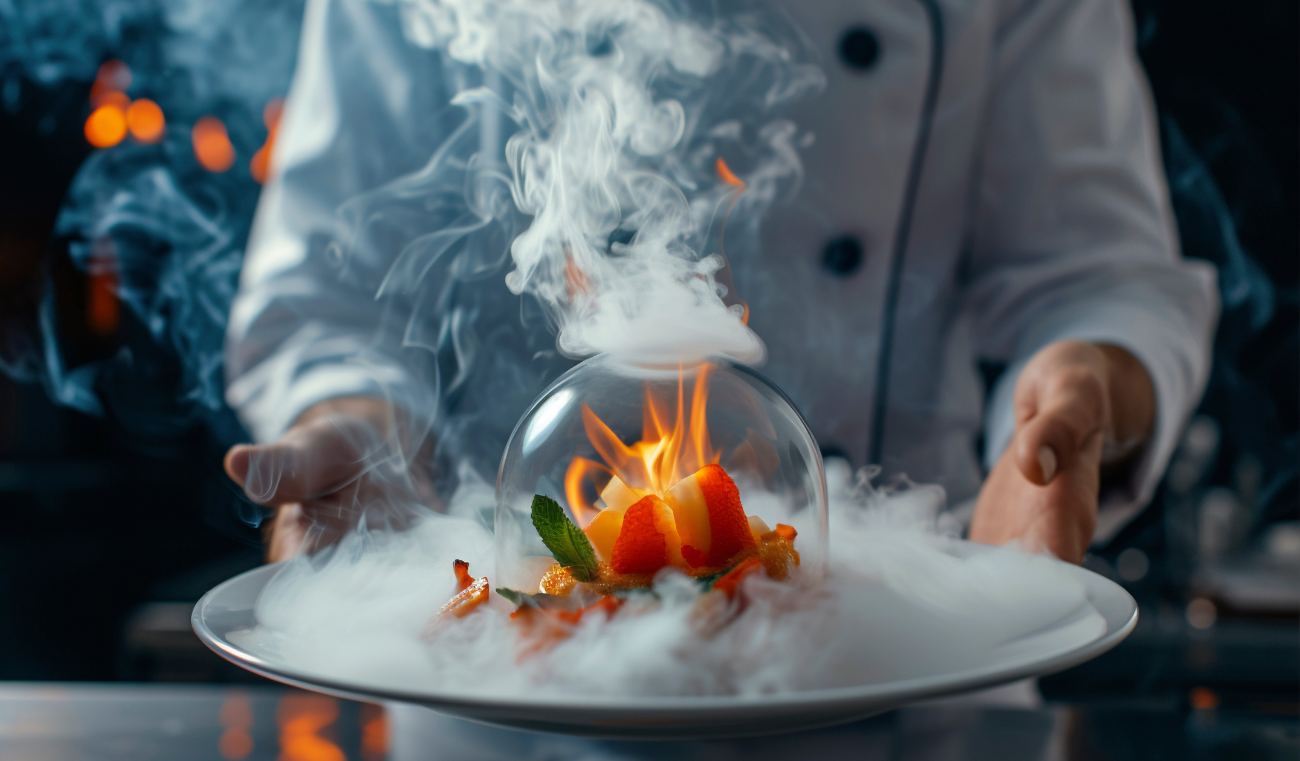
Liquid nitrogen has become a popular tool in modern culinary arts, particularly in restaurants that focus on molecular gastronomy and innovative presentations. Its ability to rapidly freeze ingredients, create dramatic fog effects, and alter textures has captured the attention of chefs and diners alike. From smoky cocktails to frozen desserts, liquid nitrogen adds a “wow” factor that traditional methods cannot match.
However, while the benefits are impressive, using liquid nitrogen in a restaurant setting comes with serious considerations. Proper handling, storage, and adherence to safety protocols are critical to prevent accidents. In this article, we’ll explore the pros and cons of using liquid nitrogen in restaurants, helping chefs and restaurant owners make informed decisions about incorporating this powerful tool into their kitchens.
Understanding Liquid Nitrogen and Its Culinary Role
Liquid nitrogen is nitrogen in a liquid state at an extremely low temperature of –196°C (–321°F). It boils at room temperature, producing a dense, dramatic fog, which is often used to create theatrical effects in drinks and desserts. In the culinary world, chefs use liquid nitrogen for rapid freezing, enabling them to create unique textures and flavors that are difficult to achieve with traditional freezing methods.
In molecular gastronomy, liquid nitrogen is prized for its ability to freeze ingredients almost instantly. This allows chefs to create frozen powders, delicate sorbets, and crunchy textures while preserving the natural flavor and color of the ingredients. For instance, fruits frozen with liquid nitrogen retain more of their original taste and appearance than those frozen slowly in a standard freezer.
Beyond freezing, liquid nitrogen is often used for visual effects. The fog that forms when it comes into contact with air adds an element of spectacle to presentations, impressing guests and enhancing the dining experience. Chefs can also use it to quickly chill cocktails, create edible vapors, or freeze components tableside, transforming ordinary dishes into memorable experiences.
Understanding the properties of liquid nitrogen is essential for safe and effective use. Its extreme cold requires specialized containers and training, but when handled properly, it becomes a versatile and exciting culinary tool.
Advantages of Liquid Nitrogen in Restaurants
One of the main advantages of liquid nitrogen is its rapid freezing capability. Chefs can prepare desserts or freeze ingredients almost instantly, which improves workflow efficiency and allows for precise control over textures. For example, a chef can create ultra-smooth ice cream or crunchy meringue without the large ice crystals that traditional freezing methods often produce.
Liquid nitrogen also enhances presentation dramatically. The fog and vapor create theatrical effects that capture guests’ attention and elevate the overall dining experience. In fine dining or high-end cocktail bars, this visual element can become a signature feature, helping the restaurant stand out in a competitive market.
Additionally, liquid nitrogen helps preserve flavors and nutrients in food. Because it freezes items so quickly, it minimizes cellular damage, preventing loss of taste, aroma, and color. This ensures that frozen desserts, fruits, or specialty ingredients maintain their original quality when served to customers.
The versatility it provides also encourages culinary innovation. Chefs can experiment with textures, temperatures, and interactive dishes that create memorable dining experiences. Whether for frozen cocktails, nitro ice cream, or smoky desserts, liquid nitrogen opens up creative possibilities that traditional freezing techniques cannot replicate.
Efficiency and Workflow Benefits
In addition to its culinary appeal, liquid nitrogen offers tangible efficiency benefits in restaurant kitchens. Its rapid freezing capabilities reduce preparation times significantly. Items that would traditionally take hours to freeze in a standard freezer can be ready in minutes with liquid nitrogen, allowing chefs to serve dishes faster and manage busy service periods more effectively.
This speed also allows for more flexible menu planning. Chefs can prepare components on demand, reducing waste and minimizing the need for long-term storage. For example, a dessert can be frozen just before serving, ensuring freshness and optimal texture. The ability to freeze items quickly also allows kitchens to experiment with new dishes, textures, and presentations without slowing down regular operations.
Liquid nitrogen also supports creativity and innovation. It enables chefs to offer interactive dishes, such as tableside-frozen ice cream or cocktails that release dramatic fog, creating memorable experiences that enhance customer satisfaction. This not only improves workflow by allowing staged preparation but also elevates the restaurant’s brand image as cutting-edge and unique.
Overall, liquid nitrogen streamlines kitchen operations while simultaneously expanding culinary possibilities, making it a valuable tool for modern, high-paced dining environments.
Safety Risks and Handling Challenges
Despite its benefits, liquid nitrogen comes with significant safety risks that cannot be ignored. Its extreme cold can cause severe frostbite or burns if it comes into direct contact with skin. Even brief exposure can result in tissue damage, so staff must wear appropriate personal protective equipment (PPE), including insulated gloves, goggles, and face shields.
In addition to direct contact hazards, inhalation is a concern. Nitrogen gas is colorless and odorless, and in confined spaces, it can displace oxygen, posing a risk of asphyxiation. Proper ventilation and storage in areas with adequate airflow are essential to prevent accidents. Restaurants must follow strict guidelines and train staff thoroughly to handle liquid nitrogen safely.
Storage and transport also present challenges. Liquid nitrogen must be kept in specialized insulated containers, known as Dewars, to maintain its extremely low temperature and prevent rapid evaporation. Mishandling containers or using improper storage equipment can lead to pressure buildup, leaks, or spills, which pose both safety and regulatory issues.
Failure to adhere to safety protocols can result in serious injuries, property damage, and legal liability. Therefore, while liquid nitrogen offers remarkable culinary advantages, restaurants must balance these benefits with a comprehensive understanding of risks and implement rigorous safety measures.
Equipment and Cost Considerations
Using liquid nitrogen in a restaurant requires specialized equipment, which adds to the overall operational cost. The most essential items include Dewar flasks for storage, insulated tongs and gloves for handling, and secure dispensing systems to ensure safe usage. These tools are critical for both safety and efficiency, allowing chefs to work quickly without risking injury.
Operational costs extend beyond equipment. Liquid nitrogen itself is more expensive than traditional freezing methods, and it requires careful ordering and storage to prevent waste. Since it evaporates over time, excess liquid nitrogen that is not used during service can be lost, impacting cost efficiency. Restaurants must balance supply with anticipated usage to minimize both expense and waste.
Additionally, staff training represents another investment. Employees must be knowledgeable about proper handling, emergency procedures, and the culinary techniques that maximize liquid nitrogen’s benefits. This requires time and resources, but it ensures that the kitchen operates safely and effectively.
Despite these costs, many restaurants find the investment worthwhile. The ability to produce visually stunning dishes, innovate with textures, and streamline certain kitchen processes can justify the expense, especially for high-end establishments where customer experience and novelty are paramount.
Regulatory and Legal Considerations
Liquid nitrogen use in restaurants is subject to various regulations and legal requirements due to its hazardous nature. Local health and safety authorities often mandate proper training, storage protocols, and safety equipment to prevent accidents. Restaurants may also need to display warning signs, provide staff with PPE, and maintain documentation of training and handling procedures.
Food safety regulations are another consideration. While liquid nitrogen itself is not toxic, improper use can create risks if it comes into contact with consumables before sublimation. Restaurants must ensure that nitrogen is completely evaporated from frozen items before serving to prevent injury to customers.
Liability is an important factor. Injuries caused by mishandling or improper use can result in legal action, fines, or reputational damage. Restaurants must implement strict operational protocols and insurance coverage to mitigate these risks. Consulting with local authorities and adhering to national safety standards is essential for compliance and peace of mind.
Understanding and following these regulatory and legal considerations ensures that liquid nitrogen enhances the culinary experience safely and responsibly, protecting both staff and guests.
Alternatives to Liquid Nitrogen
While liquid nitrogen offers unique benefits, several alternatives can achieve similar results with lower risk and cost. Dry ice is a common substitute, providing extremely low temperatures for rapid freezing without the same asphyxiation concerns if handled properly. Like liquid nitrogen, dry ice creates visual fog effects and can be used for desserts, cocktails, and food displays.
Blast freezers are another alternative. They can quickly freeze ingredients to very low temperatures, preserving texture and flavor without the hazards associated with handling cryogenic liquids. Although they lack the dramatic fog effects of liquid nitrogen, blast freezers are safe, consistent, and suitable for high-volume operations.
For less extreme applications, traditional ice or chilled metal plates can also be used to achieve rapid cooling for certain dishes. While they do not provide theatrical presentation, they remain cost-effective, safe, and practical for everyday restaurant operations.
Choosing an alternative depends on the restaurant’s priorities. If visual spectacle and extreme cold are central to the dining experience, liquid nitrogen remains unmatched. For efficiency, safety, and cost-effectiveness, dry ice or blast freezing may provide comparable benefits without the same level of risk or specialized training.
Conclusion
Liquid nitrogen has revolutionized modern cuisine by enabling rapid freezing, innovative textures, and dramatic visual effects that captivate diners. Its advantages include speed, creativity, and enhanced presentation, allowing chefs to push culinary boundaries. However, its use comes with significant safety risks, handling challenges, equipment costs, and regulatory considerations that restaurants must address.
Alternatives such as dry ice and blast freezers can offer some of the same benefits with fewer hazards, making them viable options depending on the restaurant’s goals and resources. Ultimately, whether to use liquid nitrogen depends on the balance between culinary innovation and operational safety, as well as the desired impact on guests. Restaurants that handle it responsibly can create unforgettable experiences, while minimizing risks and maintaining compliance.