
Bulk Ice Cubes for Restaurants: Why Quality Matters

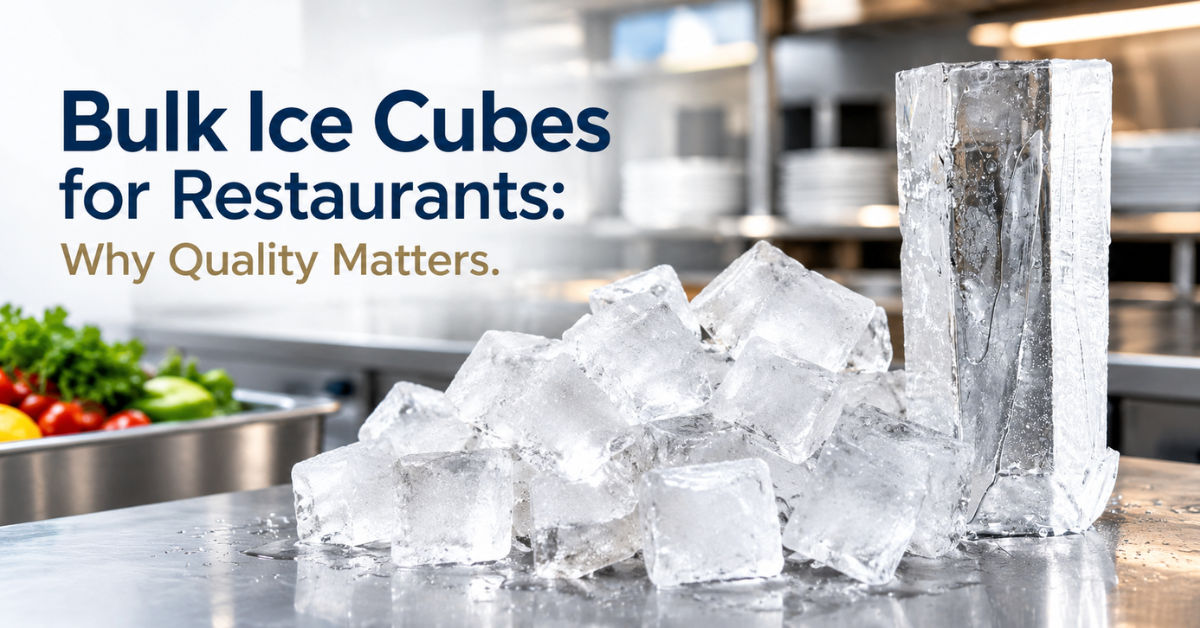
Ice is one of the most overlooked ingredients in a restaurant, yet it touches almost every part of the guest experience — from the water glass placed at the table to the cocktails served at the bar and the seafood displays kept fresh behind the counter. When restaurants order bulk ice cubes, quality is not a luxury; it’s a food safety requirement and a brand reputation issue. This guide explains why bulk ice cubes for restaurants need to meet strict standards, and how to choose a supplier who delivers consistently clean, safe, and great-tasting ice at scale.
Why Ice Quality Is a Food Safety Issue, Not Just a Nice-to-Have
Under UAE food safety regulations, ice used in food and beverage service is classified as a food product, not simply a cooling agent. This means the water used to produce it, the machinery it passes through, and the way it’s stored and transported all matter just as much as they would for any other ingredient on your menu. Restaurants that source bulk ice cubes from unregulated or low-quality suppliers risk contamination from impure water sources, poorly sanitized ice-making equipment, improper storage, and unsafe handling during transport and delivery.
A single contamination incident traced back to ice can damage a restaurant’s reputation far more severely than almost any other food safety lapse, since customers rarely suspect the ice in their drink as the source of an issue — which makes prevention even more important.
What Defines High-Quality Bulk Ice Cubes
When evaluating a bulk ice cube supplier for your restaurant, look for the following quality markers:
- Purified or filtered source water, free from chlorine taste, odor, and mineral impurities
- Clear, dense cubes rather than cloudy, soft, or quickly melting ice, which often signals poor filtration or trapped air and minerals
- Consistent cube size and shape, which matters for both visual presentation and consistent dilution in drinks
- Proper hygiene certification from the supplier’s production facility, including regular water testing and equipment sanitization records
- Hygienic packaging and transport, using food-grade bags and clean, insulated delivery vehicles
Common Uses of Bulk Ice Cubes in Restaurants
Restaurants rely on bulk ice cubes for a wide range of daily operations, including:
- Chilling and serving beverages at the bar and in dining areas
- Displaying fresh seafood, meat, and produce at optimal temperatures
- Buffet and salad bar presentation, keeping cold dishes fresh throughout service
- Event catering and banquet services held on restaurant premises
- Backup cooling during equipment maintenance or power interruptions
Because ice touches so many points of restaurant operations, a disruption in supply — or a drop in quality — can affect multiple departments at once, from the bar to the kitchen to the banquet hall.
How Much Bulk Ice Do Restaurants Typically Need?
Ice consumption varies significantly based on restaurant type, seating capacity, and menu focus. A busy bar-forward restaurant or nightlife venue may use significantly more ice per cover than a quiet fine-dining establishment with a smaller beverage program. Seafood restaurants and buffet-style venues also tend to have higher ice demand due to food display needs. Rather than guessing, it’s worth tracking your ice usage over a few weeks during both slow and peak periods to establish a reliable baseline, then build in a buffer of 15–20% for unexpected rushes, private events, or hot-weather spikes common in the UAE.
Choosing the Right Bulk Ice Supplier
1. Delivery Reliability
Running out of ice during dinner service or a busy weekend brunch is a problem no restaurant wants. Choose a supplier with a proven track record of on-time delivery, flexible scheduling, and the ability to handle emergency top-up orders when needed.
2. Packaging Options
Bulk ice cubes are typically supplied in large food-grade bags ranging from a few kilograms to larger commercial sacks. Confirm your supplier can match packaging sizes to your storage space and usage rate, so you’re not left with excess ice melting in storage or constantly running low.
3. Pricing Transparency
Ask for clear, itemized pricing based on volume, with no hidden delivery or handling fees. Many suppliers offer tiered discounts for restaurants that commit to regular weekly or daily orders.
4. Certifications and Documentation
A trustworthy supplier should be able to provide documentation proving compliance with UAE food safety standards, including water quality testing results upon request.
5. Consistency Across Deliveries
Quality should never vary from one delivery to the next. If you notice inconsistent clarity, size, or melt rate between orders, it’s worth raising the issue with your supplier or considering alternatives.
Storage Tips for Bulk Ice in a Restaurant Setting
Even high-quality ice can degrade quickly if stored incorrectly. Restaurants should:
- Use a dedicated, sanitized ice bin or walk-in freezer separate from raw food storage
- Avoid storing ice in containers previously used for other food items without thorough sanitization
- Rotate stock using a first-in, first-out system to avoid excessive clumping or degradation
- Train staff to use clean scoops — never hands or glasses — to transfer ice, reducing contamination risk
The Cost of Cutting Corners on Ice Quality
Some restaurants attempt to cut costs by sourcing ice from the cheapest available supplier, without verifying hygiene standards. This can backfire in several ways: customer complaints about off-tasting drinks, visible cloudiness or debris in ice that damages the dining experience, potential health code violations during inspections, and reputational damage if a contamination issue is ever traced back to the restaurant. In almost every case, the modest savings from a cheaper, lower-quality ice supplier are outweighed by the operational and reputational risks involved.
Building a Long-Term Relationship with Your Ice Supplier
Many successful restaurants treat their bulk ice cube supplier the same way they treat any other critical vendor — with a long-term contract, clear communication channels, and periodic quality reviews. This approach typically results in better pricing over time, priority service during peak seasons, and a supplier who understands your specific volume patterns and can proactively flag potential supply issues before they affect your service.
Training Staff on Ice Handling Standards
Even with a high-quality supplier, poor handling inside the restaurant can undo the benefits of clean, well-produced ice. Staff training should cover basic but essential habits: always using a designated scoop rather than hands or glasses, never scooping ice with a glass that could chip and leave fragments in the bin, washing hands before handling ice bins, and reporting any unusual odor, color, or texture in a delivery immediately rather than using it. Many restaurants include ice handling as a standing item in their regular food safety training refreshers, alongside other high-risk areas like raw meat handling and allergen awareness.
Integrating Ice Ordering into Daily Operations
Larger restaurants with multiple outlets or high covers often assign ice ordering responsibility to a specific role — commonly a kitchen manager, bar manager, or purchasing coordinator — rather than leaving it to whoever happens to notice the bin is low. Building ice into your standard daily or weekly ordering checklist, alongside produce, proteins, and beverages, helps avoid last-minute shortages and ensures someone is consistently monitoring usage trends, especially around weekends, holidays, and private events booked at the venue.
Ice Hygiene During Municipal Food Safety Inspections
Dubai Municipality and other UAE food safety authorities routinely inspect restaurants for compliance across every food-handling category, and ice is frequently included in these checks. Inspectors may examine ice storage bins for cleanliness, check whether scoops are stored properly rather than left sitting inside the ice, and in some cases request documentation proving the ice source meets food-grade water standards. Restaurants that keep supplier hygiene certificates on file and maintain visibly clean ice storage areas are far better positioned to pass these inspections smoothly, while also reducing genuine food safety risk rather than simply satisfying a checklist.
Why Multi-Outlet Restaurant Groups Benefit from Centralized Ice Contracts
Restaurant groups operating several locations across Dubai or the wider UAE often find it more efficient to negotiate a single centralized ice supply contract covering all outlets, rather than letting each location source independently. This approach typically unlocks better group-wide pricing, ensures consistent quality and hygiene standards across every branch, and simplifies supplier management for the group’s procurement team. It also makes it easier to shift surplus ice between nearby outlets during unexpected demand spikes at one location, such as a private event or unusually busy service.
Final Thoughts
Bulk ice cubes for restaurants might seem like a simple commodity, but the quality, hygiene, and reliability of your ice supply directly affect food safety, guest satisfaction, and your restaurant’s reputation. By partnering with a certified supplier who prioritizes clean water sourcing, consistent production standards, and dependable delivery, restaurants can treat ice with the same care given to any other ingredient on the menu.
Frequently Asked Questions
How often should restaurants order bulk ice cubes?
This depends on your storage capacity and usage rate, but most restaurants benefit from scheduled deliveries two to three times per week, with the option for emergency top-ups during high-demand periods.
What’s the difference between bulk ice cubes and block ice for restaurants?
Bulk ice cubes are designed for direct use in drinks and food display, while block ice is typically used for cooling large containers or extended outdoor events. Most restaurants rely primarily on cube ice for day-to-day service.
Can restaurants make their own ice instead of buying bulk ice cubes?
Some restaurants use on-site ice machines for smaller volumes, but high-demand venues often find it more cost-effective and reliable to source bulk ice cubes from a dedicated supplier, especially during peak seasons or large events.